What Is VAT in the UK?
A plain-English guide to VAT, VAT rates, taxable turnover and what VAT registration means for small businesses.
AI-assisted official-source check · 7 September 2026 — Taxable turnover and the forward-looking registration test.
In brief
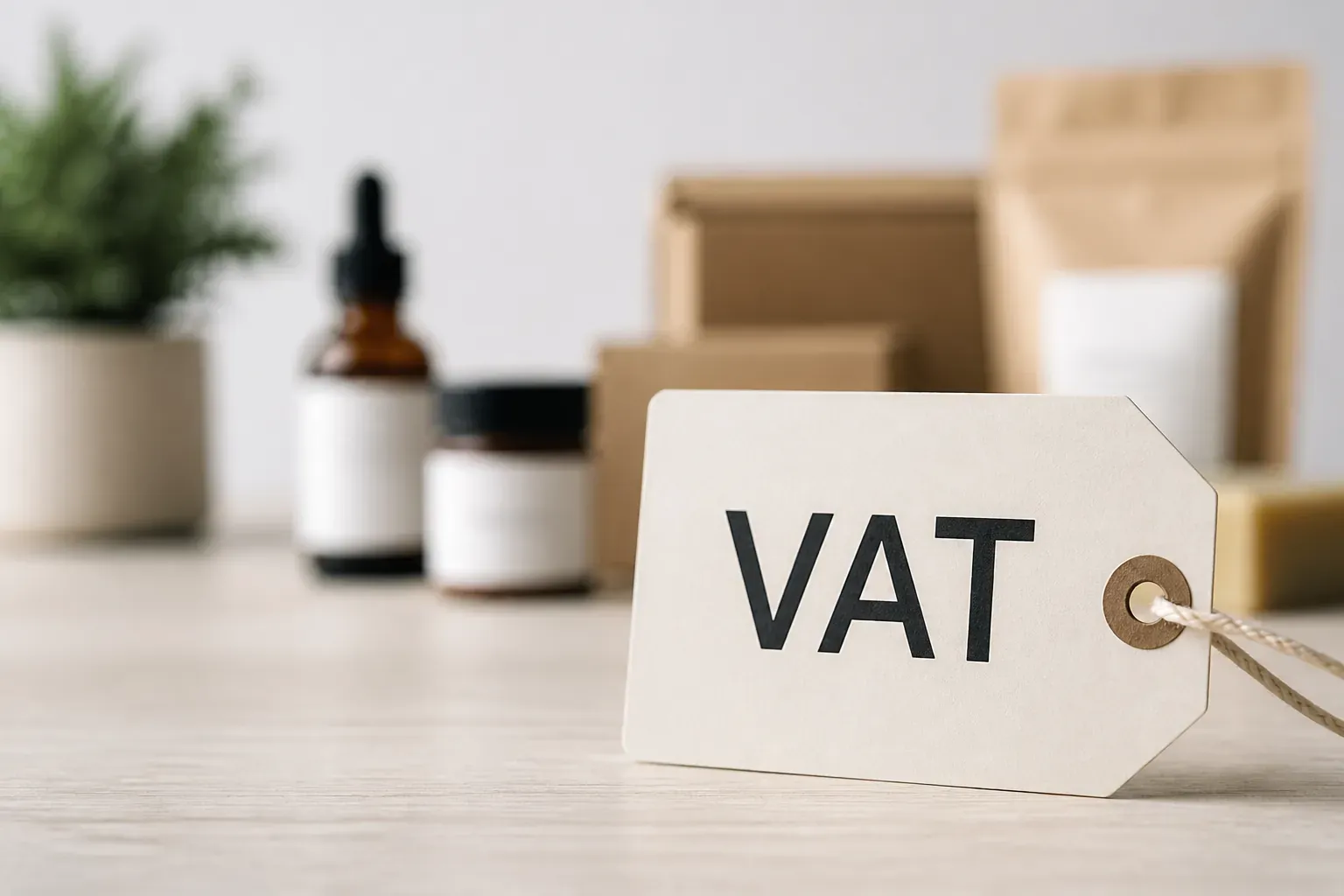
VAT, or Value Added Tax, is charged on many UK goods and services. The standard rate is 20%, with reduced and zero rates for some supplies. VAT-registered businesses normally charge VAT on taxable sales, submit returns and may reclaim VAT on eligible purchases. The rules are driven by taxable turnover rather than profit.
Who this guide is for
This guide is for UK sole traders, limited companies and partnerships that want to understand how VAT works and when it may affect their business.
It is especially useful if your business is growing, you are approaching the VAT registration threshold or you have started receiving questions from customers or suppliers about VAT invoices.
What does VAT mean?
VAT stands for Value Added Tax. It is a tax on consumption that applies to many goods and services sold in the UK.
For consumers, VAT is often included in the price they pay. For businesses, VAT can create registration, invoicing, record-keeping and reporting obligations.
If your business is not VAT registered, you normally do not charge VAT to customers and you cannot reclaim VAT on your business purchases.
VAT rates in the UK
The main VAT rates are:
| VAT rate | What it usually applies to |
|---|---|
| 20% standard rate | Most goods and services |
| 5% reduced rate | Some goods and services, depending on the rules |
| 0% zero rate | Some taxable goods and services charged at 0% |
Zero-rated sales are still taxable for VAT purposes, but VAT is charged at 0%. This is different from VAT-exempt sales.
VAT exempt and outside the scope
Some supplies are exempt from VAT. Examples can include certain financial, insurance, education, medical and property-related supplies, depending on the exact facts.
Exempt is not the same as zero-rated. Zero-rated sales can still count as taxable turnover. Exempt sales generally do not count as taxable turnover for VAT registration.
Some transactions may be outside the scope of VAT altogether. This is a technical area, so businesses with mixed income should get advice.
What is taxable turnover?
Taxable turnover includes standard-rated, reduced-rated and zero-rated sales, but excludes exempt and out-of-scope sales. Registration can also be required if you expect taxable turnover to exceed £90,000 in the next 30 days alone.
This matters because the VAT registration threshold is based on taxable turnover, not profit. A business can have modest profit but still need VAT registration if taxable sales are high enough.
What happens when you register for VAT?
Once registered, your business usually needs to:
- charge VAT correctly on taxable sales
- issue VAT invoices where required
- keep VAT records
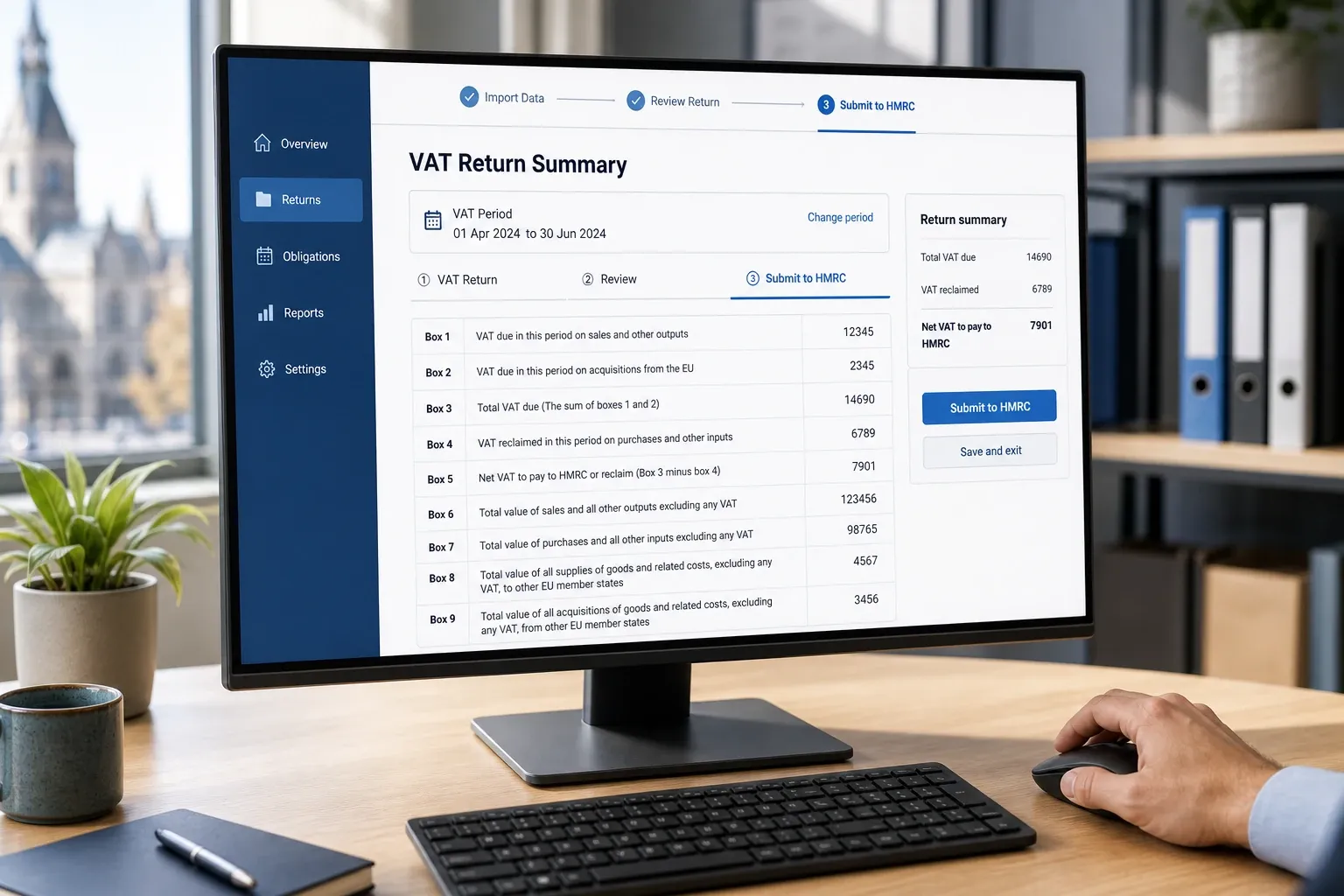
- submit VAT returns
- pay VAT due to HMRC
- reclaim eligible input VAT where allowed
- follow Making Tax Digital rules for VAT
VAT affects pricing and cash flow, so it should be planned before the effective registration date where possible.
Output tax and input tax
VAT you charge customers is often called output tax.
VAT you pay on eligible business purchases is often called input tax.
Your VAT return compares output tax and input tax. If output tax is higher, you usually pay the difference to HMRC. If input tax is higher, you may be due a repayment, depending on the circumstances.
Common mistakes
A common mistake is thinking VAT is only relevant at year end. VAT registration is based on a rolling 12-month test, so it needs regular monitoring.
Another mistake is confusing zero-rated and exempt sales. This can affect whether sales count towards the VAT threshold and whether VAT can be reclaimed.
Some businesses also charge VAT before they are properly registered or fail to update invoice templates after registration.
What to do next
If VAT may affect your business:
- Check whether your sales are taxable, exempt or outside the scope.
- Monitor taxable turnover every month.
- Review whether the £90,000 registration threshold is approaching.
- Check pricing before registering.
- Set up VAT categories in the software you use for business records.
- Ask an accountant before reclaiming VAT on unusual costs.
Common questions
Is VAT the same as income tax?
No. VAT is a tax on goods and services. Income Tax and Corporation Tax are based on income or profits.
Is the VAT threshold based on profit?
No. The VAT threshold is based on taxable turnover.
Can I reclaim VAT on every business purchase?
No. VAT recovery depends on the type of cost, business use, VAT evidence and whether your sales allow recovery.
Do all businesses charge 20% VAT?
No. Some goods and services are reduced-rated, zero-rated, exempt or outside the scope.
Related guidance
Continue with another useful guide from this topic.

VAT & Making Tax Digital
Should You Register for VAT Voluntarily?
Understand when voluntary VAT registration may help, when it may hurt and what to check before applying.
VAT & Making Tax Digital
What Is Making Tax Digital?
A practical introduction to HMRC's digital tax rules for VAT, Income Tax and business record keeping.
VAT & Making Tax Digital
Who Needs to Use Making Tax Digital for Income Tax?
Understand the MTD for Income Tax thresholds, qualifying income and what sole traders and landlords should prepare for.
VAT & Making Tax Digital
When Do You Need to Register for VAT?
Understand the UK VAT registration threshold, the rolling 12-month test and what to do as your business approaches it.
Need tailored support?
Talk through your position with Sparks
Bring your questions and records to a free consultation. We will explain the next steps in clear, practical terms.