
Should You Register for VAT Voluntarily?
Understand when voluntary VAT registration may help, when it may hurt and what to check before applying.
AI-assisted official-source check · 7 September 2026 — Voluntary registration eligibility.

In brief
An eligible business making or intending to make taxable supplies can register for VAT voluntarily below the £90,000 threshold. It may help businesses that sell mainly to VAT-registered customers or incur significant input VAT, but it can raise consumer prices and adds VAT returns, digital records and other administration. The decision should be commercial as well as tax-aware.
Who this guide is for
This guide is for UK small businesses that are below the VAT threshold but are considering voluntary VAT registration.
It may be useful if you are starting a limited company, growing quickly, buying equipment, working with VAT-registered clients or trying to look more established in your market.
What is voluntary VAT registration?
Voluntary VAT registration means registering for VAT before your business is legally required to do so.
Once registered, you take on broadly the same responsibilities as a business that registered because it exceeded the threshold. You charge VAT where required, keep VAT records, submit VAT returns and pay VAT due to HMRC.
You may also be able to reclaim VAT on eligible business purchases.
When voluntary registration may make sense
Voluntary VAT registration may be worth considering if most of your customers are VAT registered businesses.
If your customers can reclaim VAT, adding VAT to your invoices may not make your service feel more expensive to them. In that case, being VAT registered may allow you to reclaim VAT on costs without damaging your pricing as much.
It may also help if you have significant startup costs, equipment purchases, software costs or supplier bills that include VAT.
When voluntary registration may be a problem
Voluntary registration can hurt if you sell mainly to individuals or small businesses that cannot reclaim VAT.
If you add 20% VAT to your price, those customers may see you as more expensive. If you keep your prices the same and absorb the VAT, your margin may fall.
VAT registration also adds admin. You need accurate transaction records, VAT return submissions and proper supporting evidence.
Pricing example
Suppose you charge a private customer £1,000 for a service.
If you become VAT registered and add 20% VAT, the customer pays £1,200. If the customer cannot reclaim VAT, that is a real cost to them.
If you keep the customer price at £1,000 including VAT, part of that amount belongs to HMRC, which reduces what the business keeps.
This is why customer type matters.
VAT and business image
Some businesses choose VAT registration because it can make the business appear more established. This can be relevant when selling to corporate clients.
However, image alone is not enough. You still need to check cash flow, pricing, the quality of your records and the type of customers you serve.
What responsibilities come with VAT registration?
After registering, you usually need to:
- charge VAT correctly
- issue valid VAT invoices
- keep VAT records
- submit VAT returns
- pay VAT due on time
- follow Making Tax Digital rules for VAT
- understand what VAT you can reclaim
These responsibilities apply even if registration was voluntary.
Common mistakes
A common mistake is registering voluntarily without modelling customer prices. This can reduce margins or make the business less competitive.
Another mistake is reclaiming VAT on costs without checking whether the business has proper VAT invoices or whether recovery is restricted.
Some businesses also register voluntarily and then discover they are locked into VAT admin for longer than expected. You should check deregistration rules before applying.
What to do next
Before registering voluntarily:
- List your customer types.
- Check whether customers can reclaim VAT.
- Estimate VAT on your business costs.
- Model your prices with and without VAT.
- Check whether your records are VAT-ready.
- Speak to an accountant before applying.
Common questions
Can I register for VAT if I am below the threshold?
Yes, if you meet the eligibility rules, including making or intending to make taxable supplies. A business making only exempt supplies cannot register on that basis.
Will VAT registration make me look more professional?
It can, especially with larger business clients, but that should not be the only reason to register.
Can I reclaim VAT after voluntary registration?
You may be able to reclaim VAT on eligible business costs, but the rules and evidence requirements must be checked.
Is voluntary VAT registration easy to cancel?
Deregistration depends on the rules and your circumstances. Check before registering.
Related guidance
Continue with another useful guide from this topic.
VAT & Making Tax Digital
What Is VAT in the UK?
A plain-English guide to VAT, VAT rates, taxable turnover and what VAT registration means for small businesses.
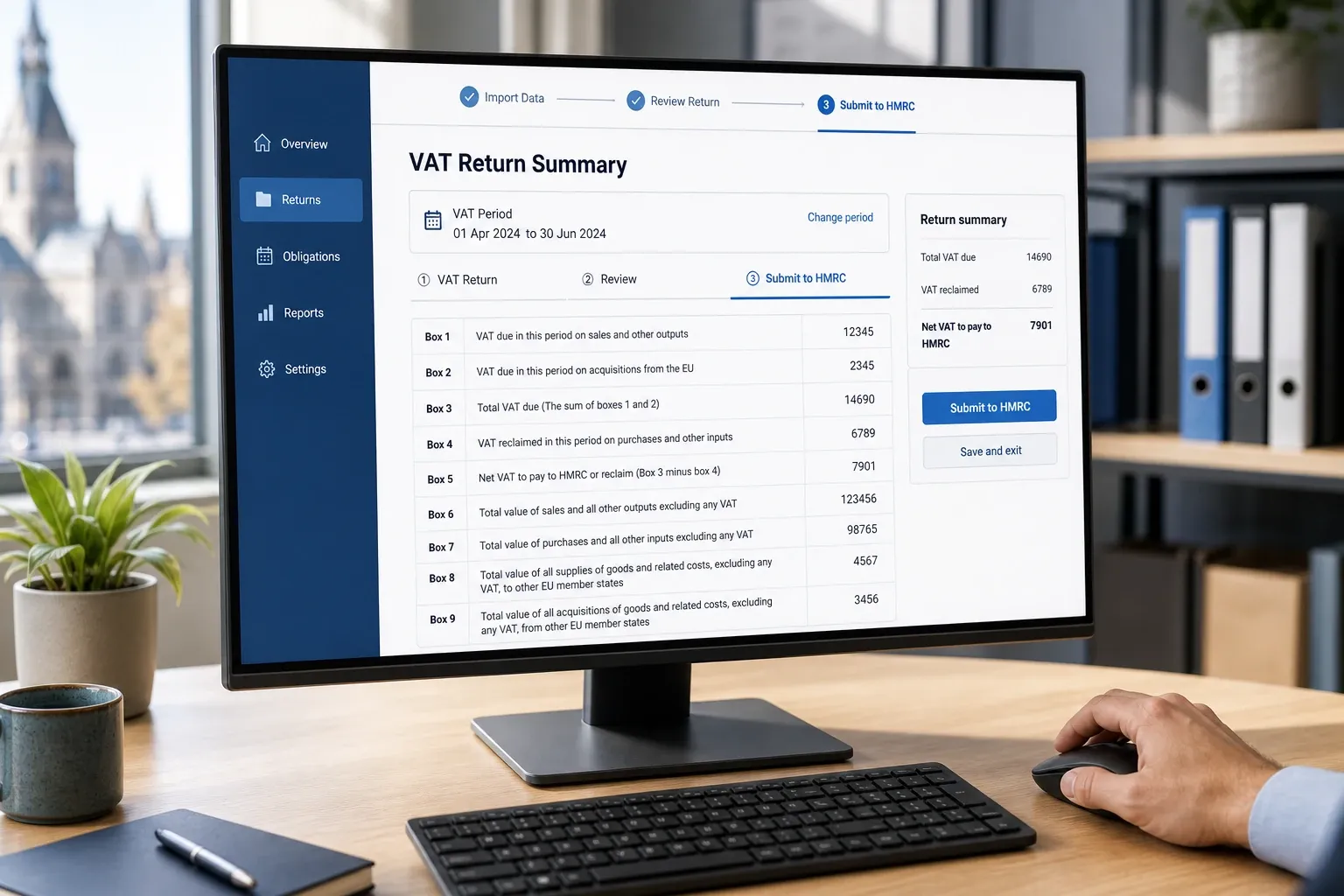
VAT & Making Tax Digital
What Is Making Tax Digital?
A practical introduction to HMRC's digital tax rules for VAT, Income Tax and business record keeping.
VAT & Making Tax Digital
Who Needs to Use Making Tax Digital for Income Tax?
Understand the MTD for Income Tax thresholds, qualifying income and what sole traders and landlords should prepare for.
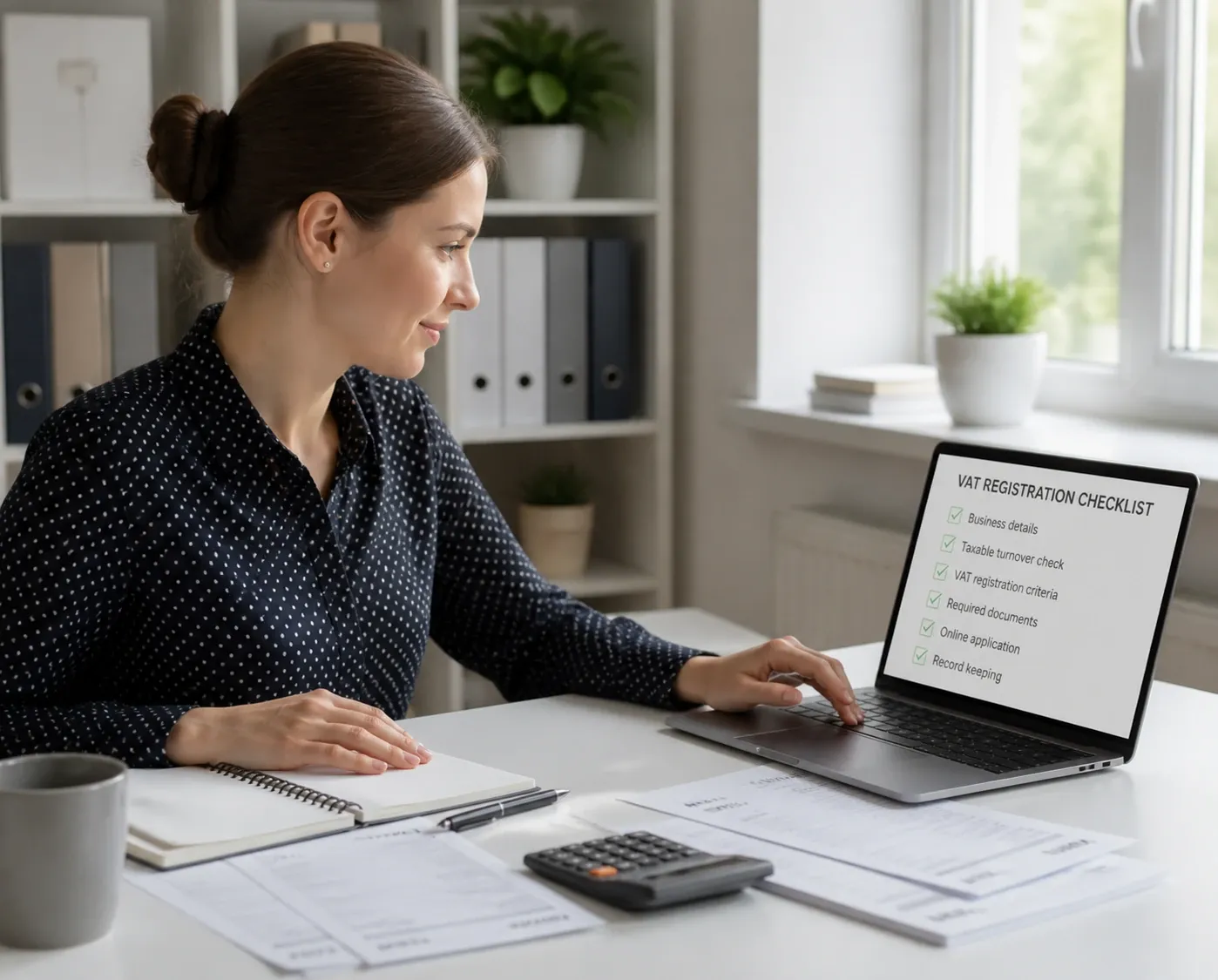
VAT & Making Tax Digital
When Do You Need to Register for VAT?
Understand the UK VAT registration threshold, the rolling 12-month test and what to do as your business approaches it.
Need tailored support?
Talk through your position with Sparks
Bring your questions and records to a free consultation. We will explain the next steps in clear, practical terms.