
VAT in the UK: what business owners need to know
Learn when VAT registration is required, how the £90,000 threshold works, and what to record, charge and reclaim.
AI-assisted official-source check · 7 September 2026 — MTD for VAT exemptions.
In brief
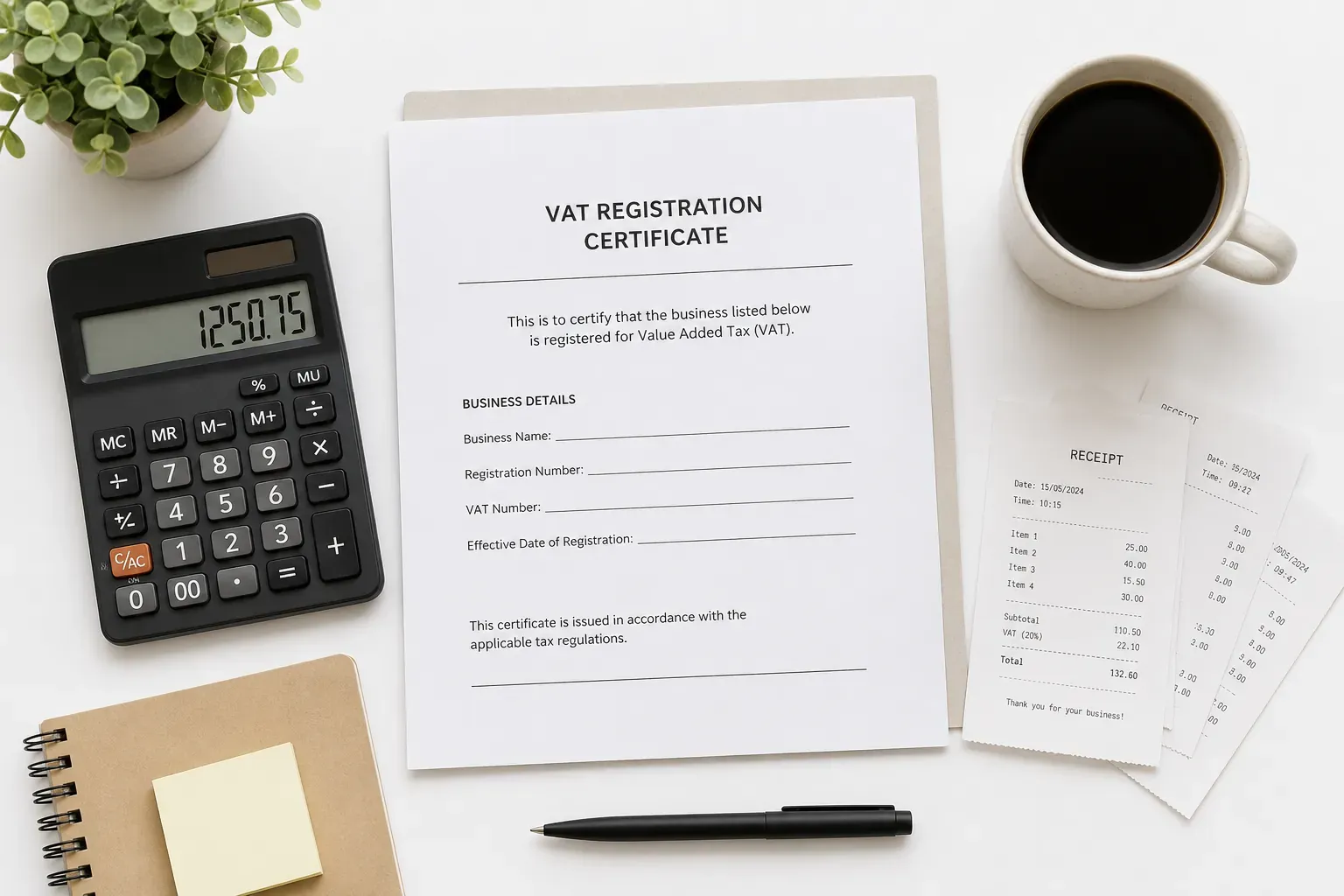
VAT is a continuing compliance obligation, not a once-a-year task. Businesses need to monitor rolling taxable turnover, register when required, keep digital records, charge VAT correctly and submit VAT Returns through Making Tax Digital for VAT.
What VAT is and how it works
VAT, or Value Added Tax, is a consumption tax charged on many goods and services in the UK. A VAT-registered business normally charges VAT on taxable sales, records the VAT it has charged and paid, submits VAT Returns and pays the net amount due to HMRC.
Not every supply is treated in the same way. Some supplies are standard-rated, reduced-rated or zero-rated; others are exempt or outside the scope of VAT. The classification affects both whether VAT is charged and whether input VAT can be reclaimed.
The VAT registration threshold
You must normally register for VAT if either of these applies.
- Your taxable turnover for the previous rolling 12 months goes above £90,000.
- You expect taxable turnover to exceed £90,000 in the next 30 days alone.
This is not measured by the tax year or by a fixed calendar year. It is a moving 12-month test, so a growing business should monitor turnover every month. If you exceed the rolling threshold, you usually have 30 days from the end of the month in which you exceeded it to register; the effective date is generally the first day of the second month after that month.
If turnover is below the threshold, voluntary registration may still be useful. It can allow recovery of eligible input VAT, but it also brings record-keeping, invoicing and return obligations. It should be a commercial decision, not simply a matter of looking more established.
Output VAT and input VAT
Output VAT is the VAT a registered business charges customers on taxable sales. Input VAT is VAT paid on eligible business purchases that may be reclaimed, subject to the rules and evidence.
Common business purchases can include equipment, stock, professional services, office costs and business transport. VAT cannot simply be reclaimed on any expense: personal use, client entertainment and some vehicle costs are common areas where restrictions apply. Keep valid VAT invoices and ask before making a complex claim.
Invoices, records and VAT Returns
A VAT-registered business must use its VAT number and show the required VAT information on invoices. It must keep VAT records and include the transactions in VAT Returns. Many businesses submit returns quarterly, but a different scheme or period can apply.
VAT-registered businesses must use Making Tax Digital for VAT unless an exemption applies. Some exemptions are automatic; if you apply for one, continue filing as usual until HMRC gives its decision. That means digital record keeping and electronic filing through compatible software are part of the normal compliance process.
Registration and late compliance
After registration, HMRC confirms the VAT registration number, effective date and information about the first return. You cannot charge VAT as a registered business before you are registered.
If you register late, VAT can still be due from the date you should have registered, and HMRC may charge a penalty depending on the circumstances. Late VAT Returns use a penalty-points system; once the relevant threshold is reached, a £200 penalty can be charged, with further £200 penalties for later late returns while at the threshold. Late payment can also lead to interest and penalties.
A sensible next step
Track taxable turnover monthly, separate VAT on sales from VAT on purchases, and keep invoices in a form your software and accountant can use. If you are close to £90,000 or expect one large contract, check the registration date before you issue the invoice.
Common questions
When must a business register for VAT?
Registration is normally required when taxable turnover for the previous rolling 12 months exceeds £90,000, or when you expect taxable turnover to exceed £90,000 in the next 30 days.
Can I charge VAT before I am registered?
No. You must be VAT registered before charging VAT as a registered business. Check the effective registration date and invoice treatment if you are close to the threshold.
Related guidance
Continue with another useful guide from this topic.
Tax & deadlines
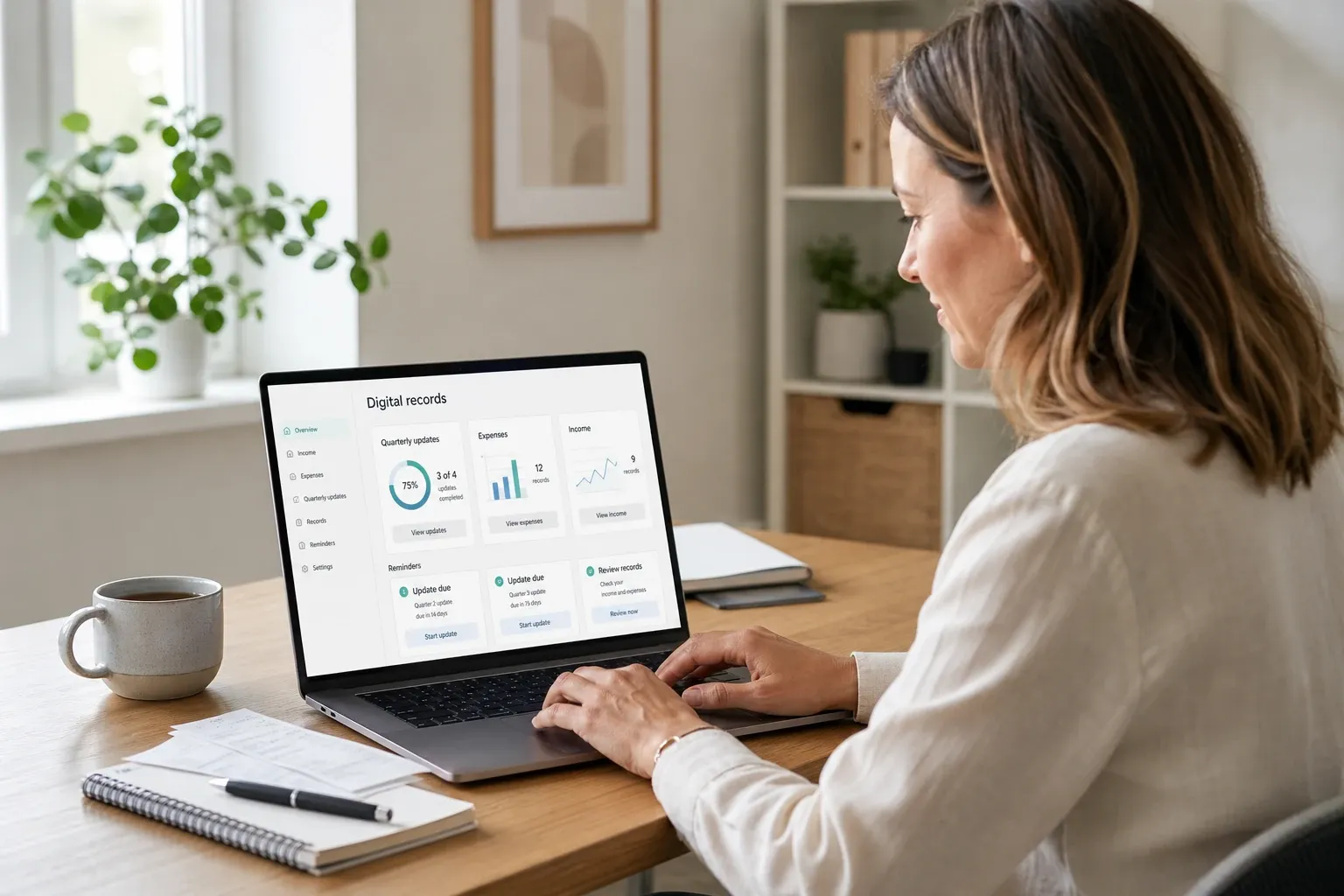
Making Tax Digital for Income Tax: are you ready for the HMRC changes?
A full guide to MTD for Income Tax, qualifying income, digital record keeping, quarterly updates and the dates that matter.
Tax & deadlines
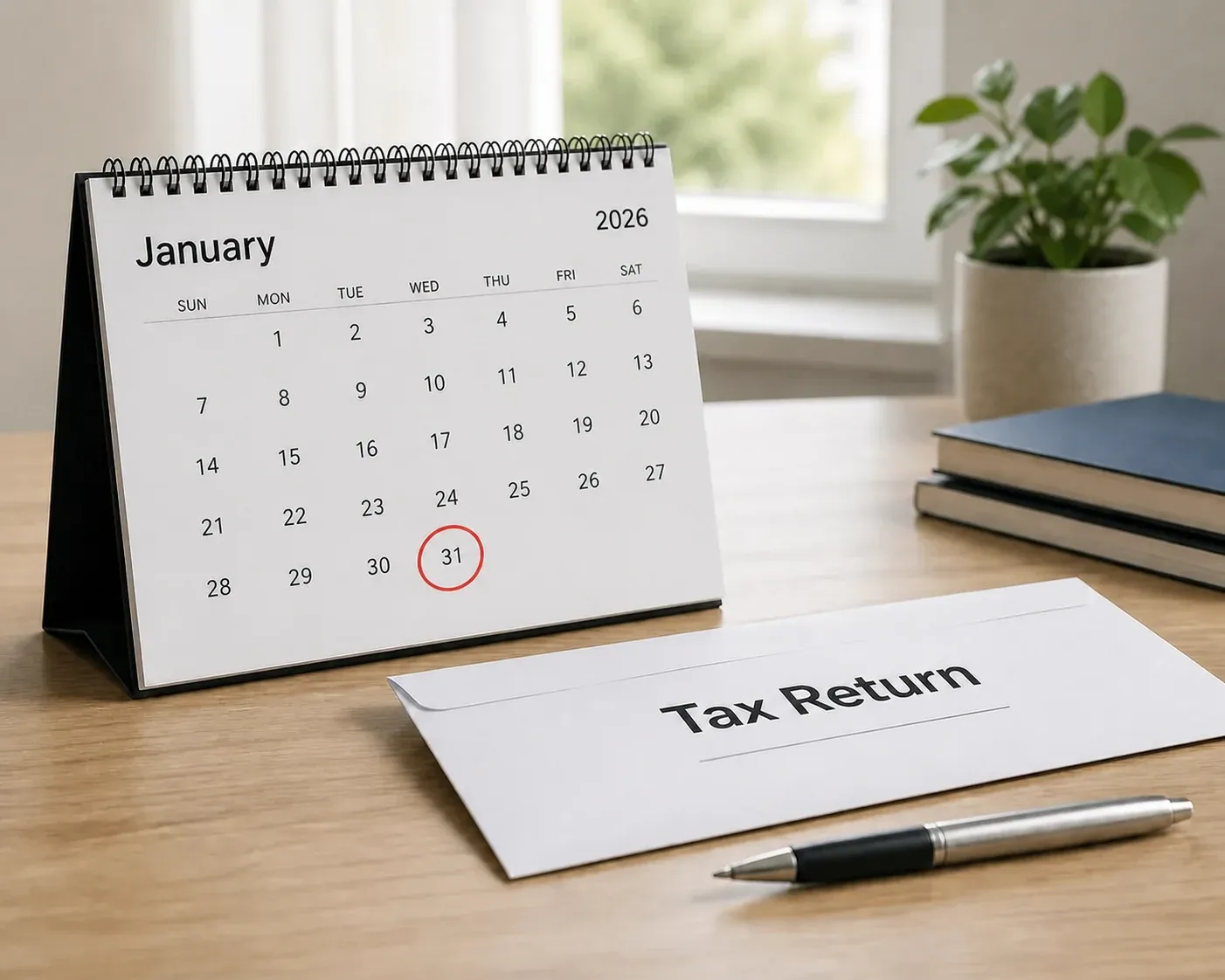
Self Assessment: who needs to file a 2025/26 tax return?
Find out who may need to file a 2025/26 Self Assessment return, the key dates and the records to prepare.
Tax & deadlines
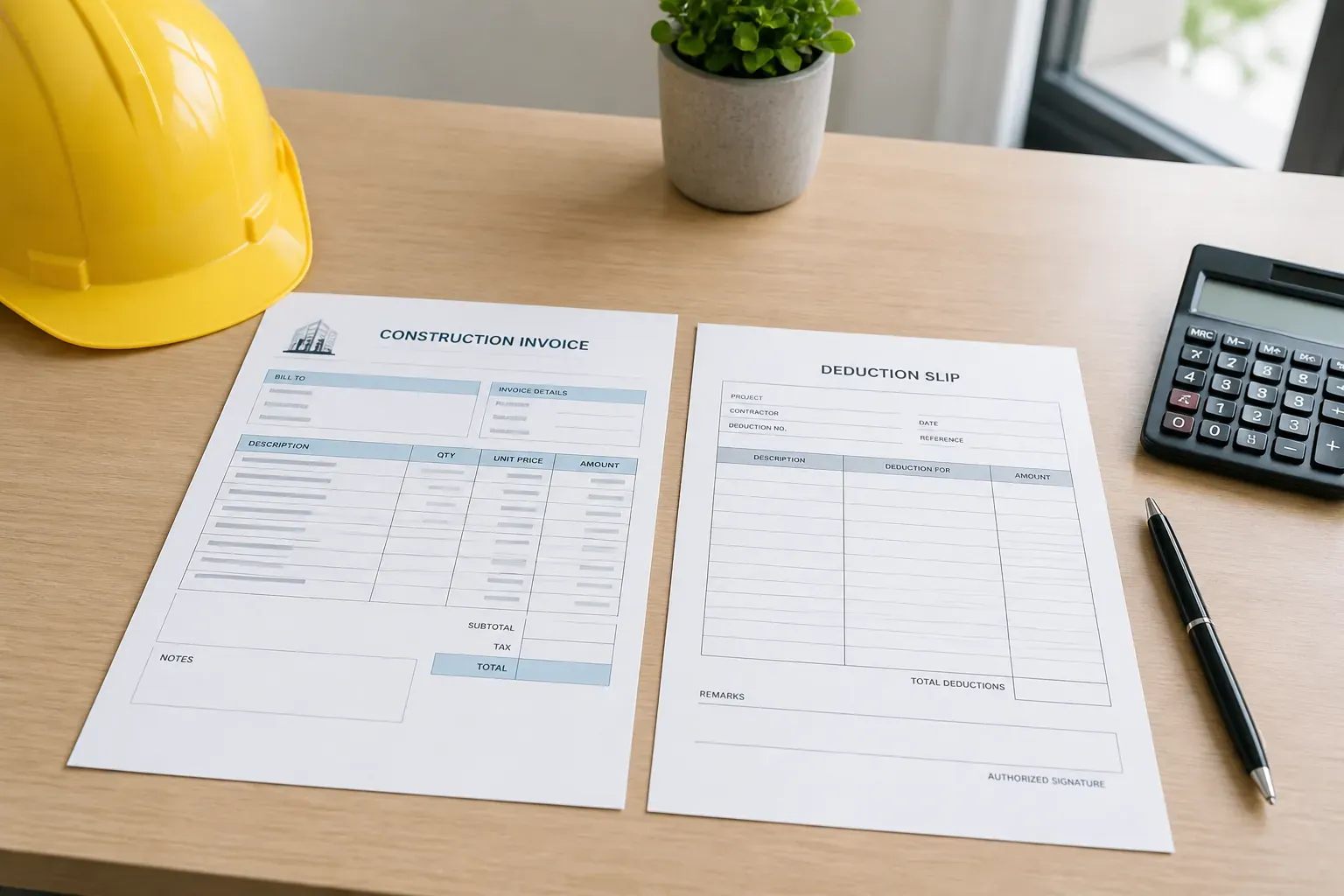
Construction Industry Scheme (CIS): a guide for subcontractors and contractors
Understand CIS registration, 20% and 30% deductions, gross payment status, records and Self Assessment reporting.
Need tailored support?
Talk through your position with Sparks
Bring your questions and records to a free consultation. We will explain the next steps in clear, practical terms.