
Making Tax Digital for Income Tax: are you ready for the HMRC changes?
A full guide to MTD for Income Tax, qualifying income, digital record keeping, quarterly updates and the dates that matter.
AI-assisted official-source check · 7 September 2026 — Cumulative quarterly updates and the 2026/27 filing timetable.
In brief
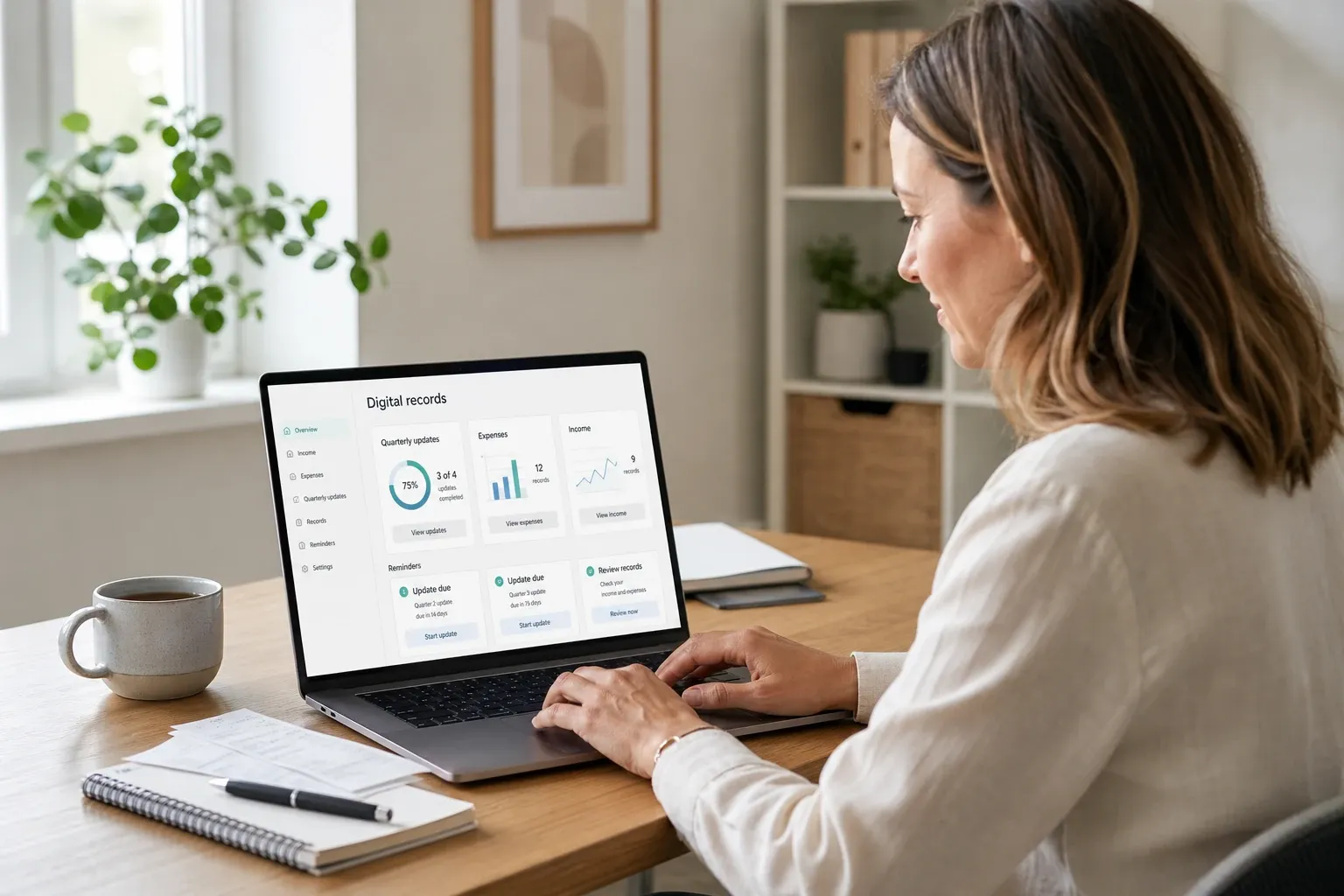
Making Tax Digital for Income Tax brings digital records and quarterly updates to qualifying sole traders and landlords in stages. Your start date depends on gross qualifying self-employment and property income in the relevant previous tax year, so check early and choose a record-keeping process that works for you.
Check whether Making Tax Digital applies to you
Making Tax Digital for Income Tax is a major change to the way many sole traders and landlords keep records and report income to HMRC. Instead of relying only on one annual tax return, people within scope will keep digital records and send quarterly updates through compatible software, followed by an end-of-year finalisation.
MTD for Income Tax is being introduced in stages. The date depends on the qualifying income shown on the relevant previous Self Assessment return.
- More than £50,000 of qualifying income for 2024/25: start from 6 April 2026.
- More than £30,000 of qualifying income for 2025/26: start from 6 April 2027.
- More than £20,000 of qualifying income for 2026/27: start from 6 April 2028.
If you are below the relevant threshold, you are not required to use MTD for Income Tax yet. It is still sensible to improve your records early, particularly if your income is growing. Partnerships are expected to be brought into MTD for Income Tax in the future; HMRC has not yet set their timetable.
Understand qualifying income
Qualifying income is based on gross income, not profit. It normally includes the total income from self-employment and property before deducting expenses or allowances.
- For a sole trader or freelancer, use total business turnover before expenses.
- For a landlord, use gross rental income from directly owned property.
- If you have both a trade and rental income, add the two sources together when checking the threshold.
PAYE employment income is not part of this qualifying-income calculation. Property held through a company is not included in an individual's MTD for Income Tax qualifying income, although the company has its own reporting and tax obligations.
Sign up and choose compatible software
HMRC may write to people it identifies as being in scope, but you remain responsible for checking your position and being ready by the required start date. You will need compatible software, either managed by you or used with your accountant or tax agent.
Compatible software maintains digital records, generates cumulative quarterly summaries from the start of the tax year and submits the annual tax return. Check and correct the records; complete the required adjustments and other income details before submitting the annual return. Quarterly updates do not replace that return.
Important dates for the first 2026/27 MTD year
The following timetable is for standard update periods. A business using calendar update periods can have a different record-keeping start date, so check the timetable in your software and HMRC guidance.
| Deadline | What happens |
|---|---|
| 6 April 2026 | Start digital records for standard update periods |
| 7 August 2026 | First quarterly update due |
| 7 November 2026 | Second quarterly update due |
| 31 January 2027 | 2025/26 Self Assessment online return due, where required |
| 7 February 2027 | Third quarterly update due |
| 7 May 2027 | Fourth quarterly update due |
| 7 August 2027 | First quarterly update for the next tax year due |
| 7 November 2027 | Second quarterly update for the next tax year due |
| 31 January 2028 | Finalise the 2026/27 MTD return and pay the tax bill by the applicable deadline |
Quarterly updates do not automatically mean quarterly tax payments
The quarterly obligation is a reporting obligation. It does not, by itself, introduce a new quarterly Income Tax payment schedule. Your tax bill, payment on account obligations and any penalties still depend on the rules that apply to your own tax position.
Use each update as a chance to keep records current, make sure receipts and invoices are available, and ask questions before the year-end return is due. Starting early is usually much easier than trying to rebuild a year of transactions at the last minute.
A practical next step
Review your latest completed Self Assessment return, total your self-employment and property income, and decide who will maintain the digital records. If you are approaching a threshold, arrange software and a simple record-keeping routine before your MTD start date.
Common questions
Does Making Tax Digital replace my Self Assessment tax return?
No. MTD changes the way qualifying income and expenses are recorded and reported during the year. You will still need to finalise your tax position and meet the tax obligations that apply to you.
Do landlords need to use MTD for Income Tax?
Landlords with qualifying property income can be within scope. The applicable date depends on qualifying income and the detailed HMRC rules, so check the current GOV.UK guidance for your position.
Related guidance
Continue with another useful guide from this topic.
Tax & deadlines
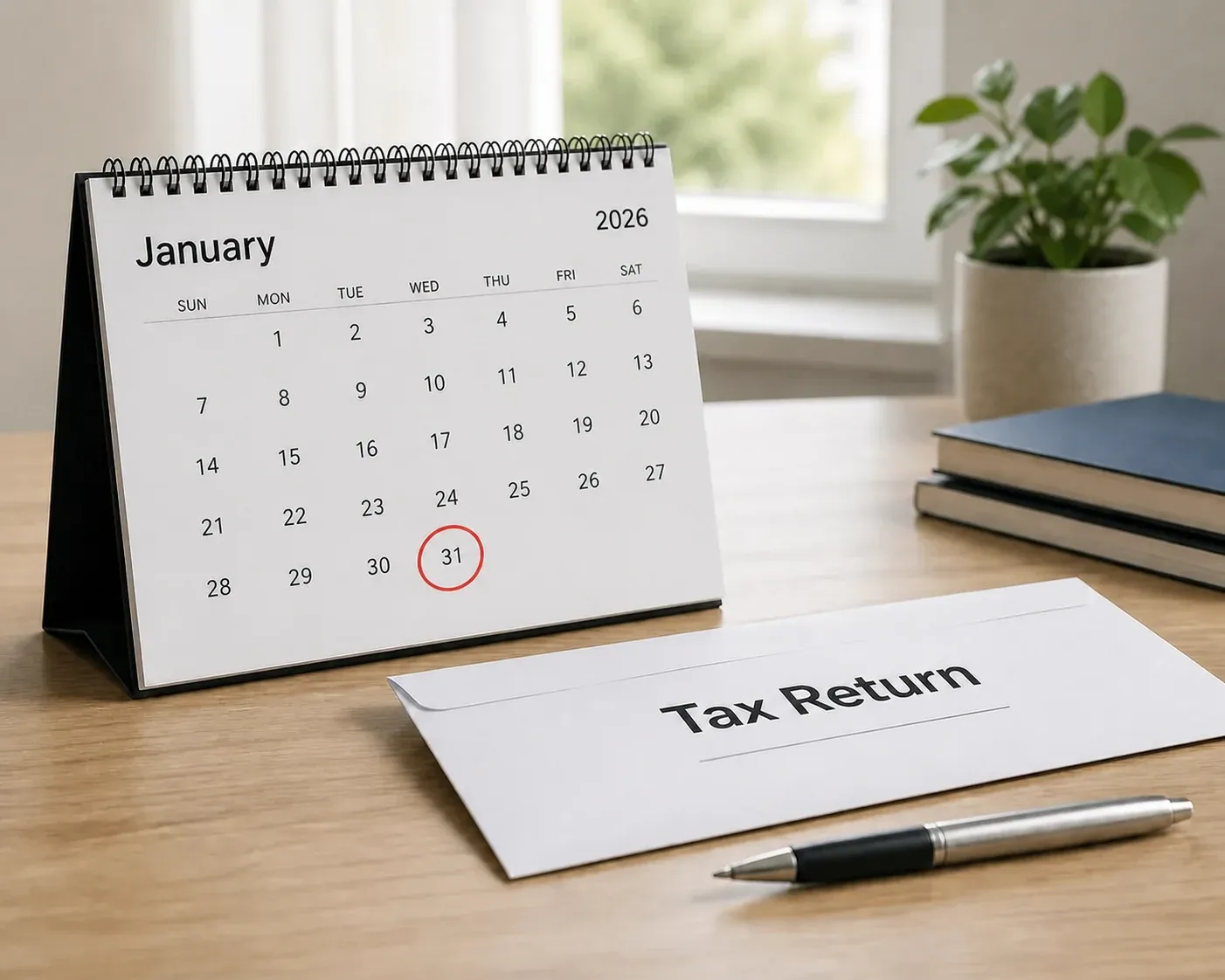
Self Assessment: who needs to file a 2025/26 tax return?
Find out who may need to file a 2025/26 Self Assessment return, the key dates and the records to prepare.
Tax & deadlines
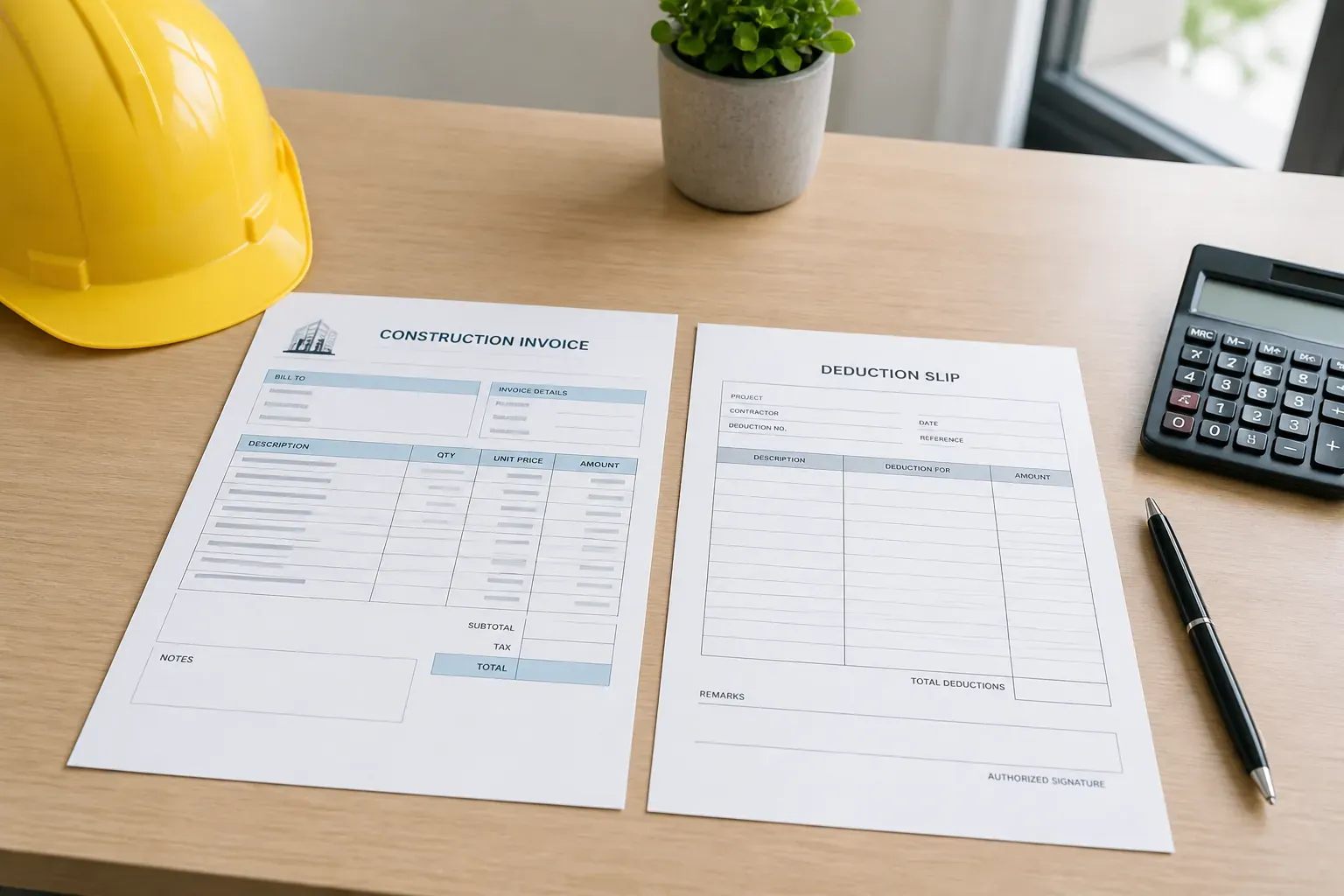
Construction Industry Scheme (CIS): a guide for subcontractors and contractors
Understand CIS registration, 20% and 30% deductions, gross payment status, records and Self Assessment reporting.
Tax & deadlines
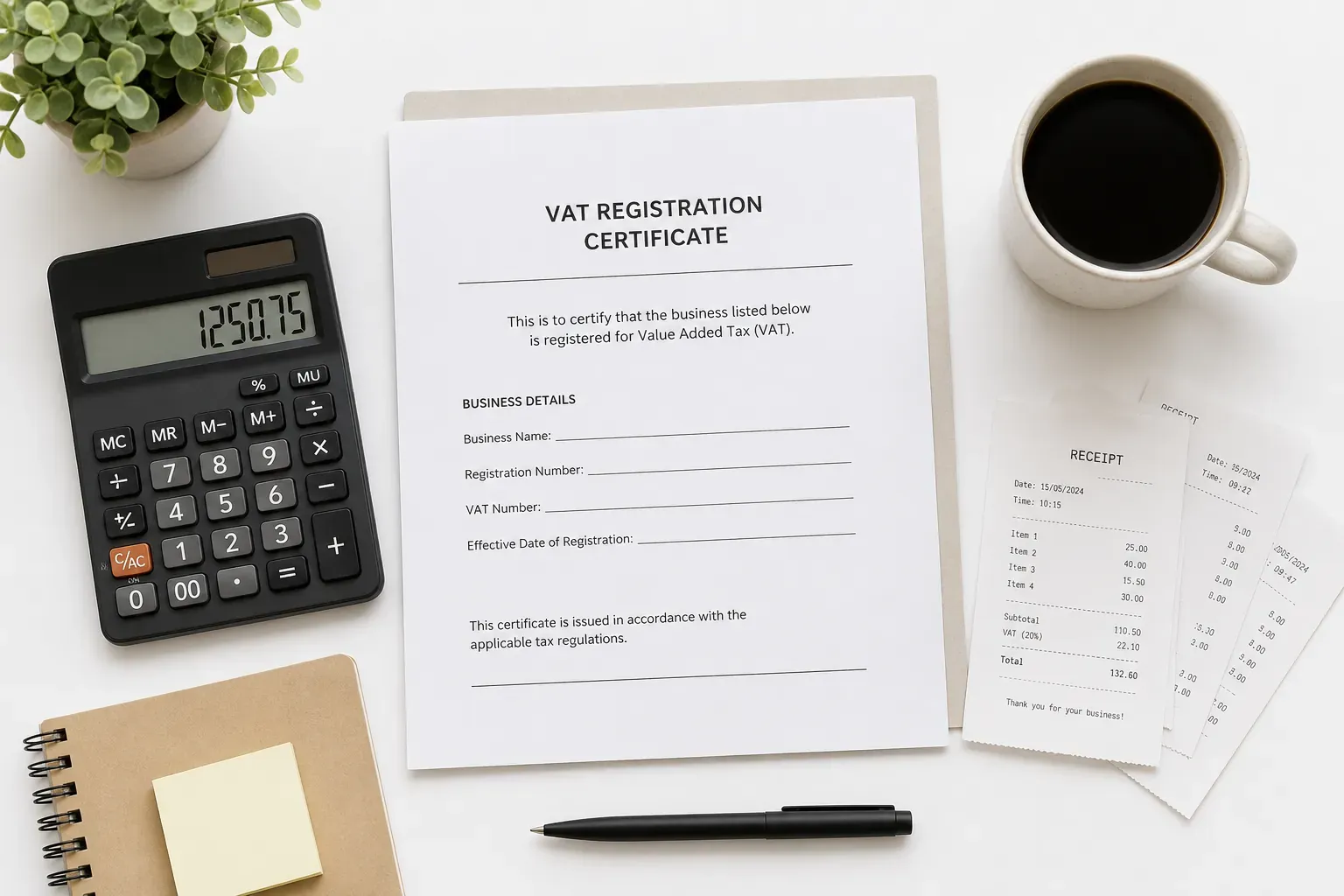
VAT in the UK: what business owners need to know
Learn when VAT registration is required, how the £90,000 threshold works, and what to record, charge and reclaim.
Need tailored support?
Talk through your position with Sparks
Bring your questions and records to a free consultation. We will explain the next steps in clear, practical terms.