
Self Assessment: who needs to file a 2025/26 tax return?
Find out who may need to file a 2025/26 Self Assessment return, the key dates and the records to prepare.
In brief
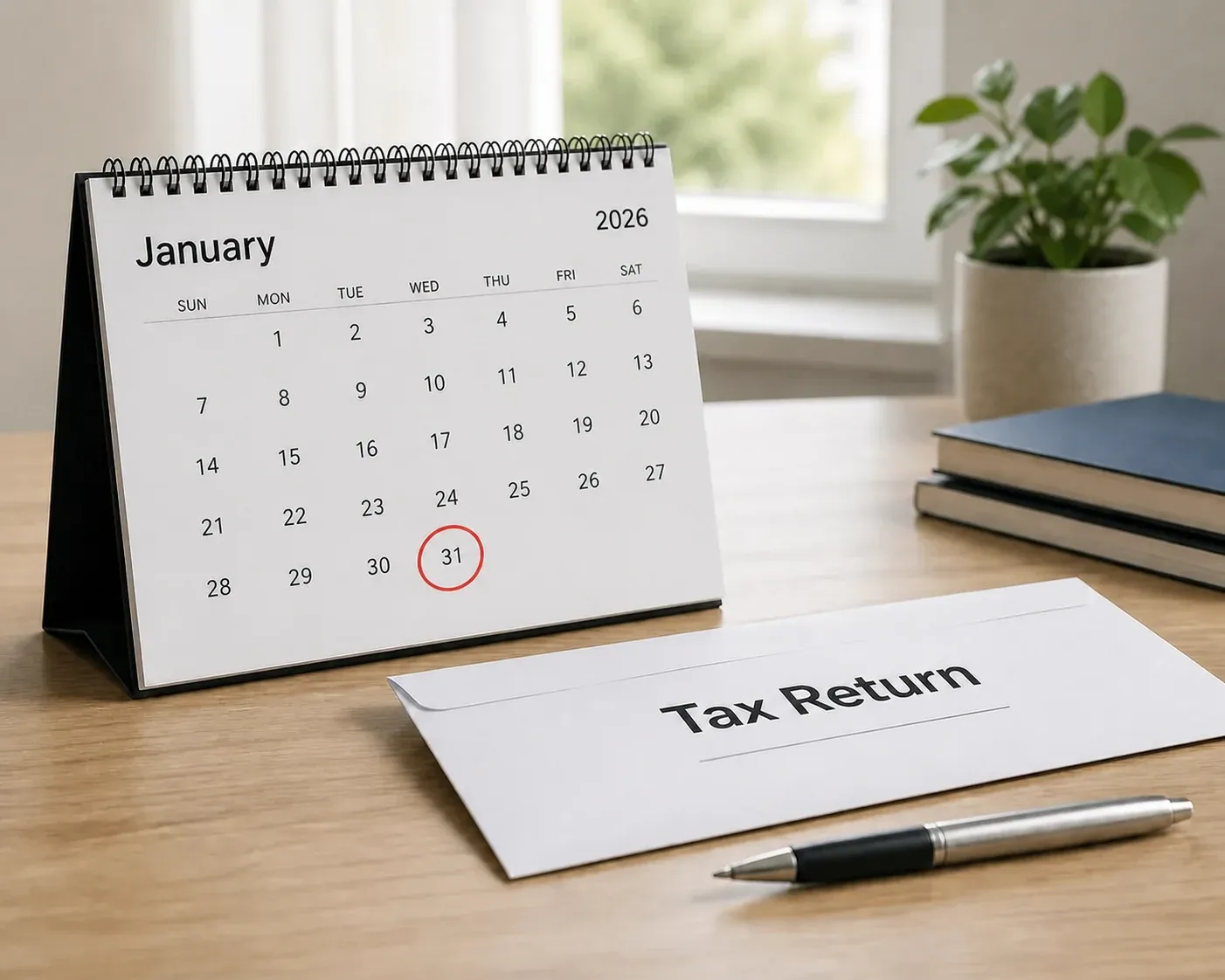
For the 2025/26 tax year, the usual online Self Assessment deadline is 31 January 2027. Sole traders, landlords and people with other untaxed income may need to file, so check your position early and organise each income source before January.
What Self Assessment is for
Self Assessment is the system used to tell HMRC about income and gains that are not fully dealt with through PAYE or another collection route. HMRC then calculates the Income Tax and National Insurance due from the information in the return.
It works retrospectively: a return for 2025/26 covers income from 6 April 2025 to 5 April 2026. For that year, the paper-return deadline is 31 October 2026 and the usual online filing deadline is 31 January 2027. Filing online gives more time, but it is still worth preparing the records well before January.
Who may need to send a return
Many employees pay their tax through PAYE and do not need to file a return. You should, however, check your position if any of the following applies to you.
- You were self-employed and had more than £1,000 of gross trading income.
- You were a business partner.
- You received rental income or other untaxed property income.
- You received untaxed tips, commission, foreign income, savings income, investment income or dividends.
- You made a disposal that creates a Capital Gains Tax liability.
- You are an off-payroll worker repaying a student or postgraduate loan, or another HMRC rule requires a return.
- HMRC has issued you a notice to file, or you filed before and have not been told that you no longer need to do so.
The detailed rules vary. For example, the trading and property allowances can affect small amounts of income; rental, savings and dividend income can also be collected differently in some cases. HMRC's online checker is the safest starting point if you are unsure.
Key points for the 2025/26 tax year
The UK tax year runs from 6 April to 5 April.
- 2025/26: 6 April 2025 to 5 April 2026. Paper return by 31 October 2026; online return by 31 January 2027.
- 2026/27: 6 April 2026 to 5 April 2027. The equivalent deadlines will normally be 31 October 2027 for paper and 31 January 2028 for online filing.
If you are newly required to file, you may also need to tell HMRC by 5 October after the end of the relevant tax year. Do not assume that an employer, contractor or bank will deal with every source of income for you.
Common situations worth checking
Self-employment and side income
The trading allowance can mean that up to £1,000 of qualifying gross trading income is tax-free in some circumstances. Above that, you will normally need to register or report the income. Some people with lower income choose to file so they can pay voluntary National Insurance or support an entitlement such as Maternity Allowance or Tax-Free Childcare.
Property income
Rental income can create a filing obligation. The £1,000 property allowance, Rent a Room relief and the way a property is owned can all affect the answer, so do not rely on gross rent alone without checking the rules.
Savings, dividends, foreign income and gains
Significant savings interest, dividends, income from overseas, trust income and capital gains can require reporting. These areas have exceptions and different deadlines, so use the official checker or ask for advice before deciding that no return is needed.
Prepare before you start
Keep a clear file for each income source. It makes the return quicker to prepare and gives you time to query anything that is missing.
- Sales records, invoices, statements and receipts for your trade or rental business.
- Evidence of allowable expenses and business-bank transactions.
- P60, P45, pension and benefits information where relevant.
- Interest, dividend, investment, foreign-income and capital-gain records where relevant.
- Your UTR, previous return and HMRC correspondence.
Check the tax calculation before you submit it. Some people will have payments on account towards the following tax year, so the amount due in January may not be the only amount to plan for.
The practical conclusion
Self Assessment is not only for full-time sole traders. If you had self-employment, rent, investments, overseas income or other untaxed income in 2025/26, check now whether a return is required and organise the records for the 31 January 2027 online deadline.
Common questions
When is the online Self Assessment deadline?
For most returns, 31 January following the end of the tax year is the deadline for online filing and paying the balancing payment. Check GOV.UK for the dates and rules that apply to you.
What are payments on account?
They are advance payments towards a future Self Assessment bill for some taxpayers. Whether they apply, and how much is due, depends on your tax position.
Related guidance
Continue with another useful guide from this topic.
Tax & deadlines
Making Tax Digital for Income Tax: are you ready for the HMRC changes?
A full guide to MTD for Income Tax, qualifying income, digital record keeping, quarterly updates and the dates that matter.
Tax & deadlines
Construction Industry Scheme (CIS): a guide for subcontractors and contractors
Understand CIS registration, 20% and 30% deductions, gross payment status, records and Self Assessment reporting.
Tax & deadlines
VAT in the UK: what business owners need to know
Learn when VAT registration is required, how the £90,000 threshold works, and what to record, charge and reclaim.
Need tailored support?
Talk through your position with Sparks
Bring your questions and records to a free consultation. We will explain the next steps in clear, practical terms.