Accounting and Tax for Sole Traders in the UK
A practical guide to sole trader registration, Self Assessment, expenses, records and tax deadlines.
AI-assisted official-source check · 7 September 2026 — Sole-trader names and trading names.

In brief
A sole trader is self-employed and reports business income through Self Assessment. Sole traders need to keep records of income and expenses, register with HMRC where required, file tax returns on time and pay Income Tax and National Insurance where due. VAT, CIS and Making Tax Digital may also apply depending on turnover, industry and income level.
Who this guide is for
This guide is for self-employed people, freelancers, tradespeople, consultants, delivery drivers, subcontractors and side-business owners operating as sole traders in the UK.
What is a sole trader?
A sole trader is an individual who runs a business in their own name or under a trading name.
You keep the profits after tax, but you are also personally responsible for the business. There is no separate legal entity like there is with a limited company.
Sole trader status is often the simplest way to start, especially for small or low-risk businesses.
Registering as self-employed
If you need to report self-employed income, you may need to register for Self Assessment with HMRC.
Once registered, HMRC issues a UTR and expects a tax return for the relevant tax year.
The registration deadline is usually 5 October after the end of the tax year in which the income started.
Keeping records
Sole traders need records of business income and expenses.
These may include:
- sales invoices
- receipts
- bank statements
- mileage records
- business equipment purchases
- home-working calculations
- CIS deduction statements
- details of other income
Good records make tax returns easier and help support expense claims.
Claiming expenses
Sole traders can usually claim allowable business expenses when calculating taxable profit.
Common expenses can include tools, materials, software, business travel, accountancy fees, phone use, home office costs and other business-related costs.
Private costs should not be claimed as business expenses.
Self Assessment deadlines
The UK tax year runs from 6 April to 5 April.
Online Self Assessment tax returns are usually due by 31 January after the end of the tax year. Tax due is normally payable by the same date.
Payments on account may also apply, which can create a higher first payment than expected.
VAT, CIS and MTD
Sole traders may need to register for VAT if taxable turnover exceeds the VAT threshold or if voluntary registration makes sense.
Construction subcontractors may fall under CIS and still need Self Assessment.
Making Tax Digital for Income Tax is being introduced in stages for sole traders and landlords with qualifying income above the relevant thresholds.
Common mistakes
A common mistake is using personal bank statements without clear business records.
Another mistake is assuming small income does not need checking. Allowances and reporting rules need to be reviewed.
Some sole traders also forget to save for tax and National Insurance throughout the year.
Finally, many people confuse turnover with profit. Tax calculations are based on profit, but VAT and MTD thresholds can be based on gross income or taxable turnover.
What to do next
If you are a sole trader:
- Check whether you need to register for Self Assessment.
- Keep income and expense records.
- Separate business and personal transactions where possible.
- Track tax deadlines.
- Monitor VAT and MTD thresholds.
- Ask an accountant if your income sources are mixed or growing.
Common questions
Is a sole trader the same as a limited company?
No. A sole trader is an individual business owner. A limited company is a separate legal entity.
Do sole traders need Self Assessment?
Often, yes, if they need to report self-employed income to HMRC.
Can sole traders register for VAT?
Yes. Sole traders can be required to register or can register voluntarily in some cases.
Do sole traders need accounting software?
Not always, but software can make records easier, especially as the business grows or MTD applies.
Related guidance
Continue with another useful guide from this topic.
Self Assessment
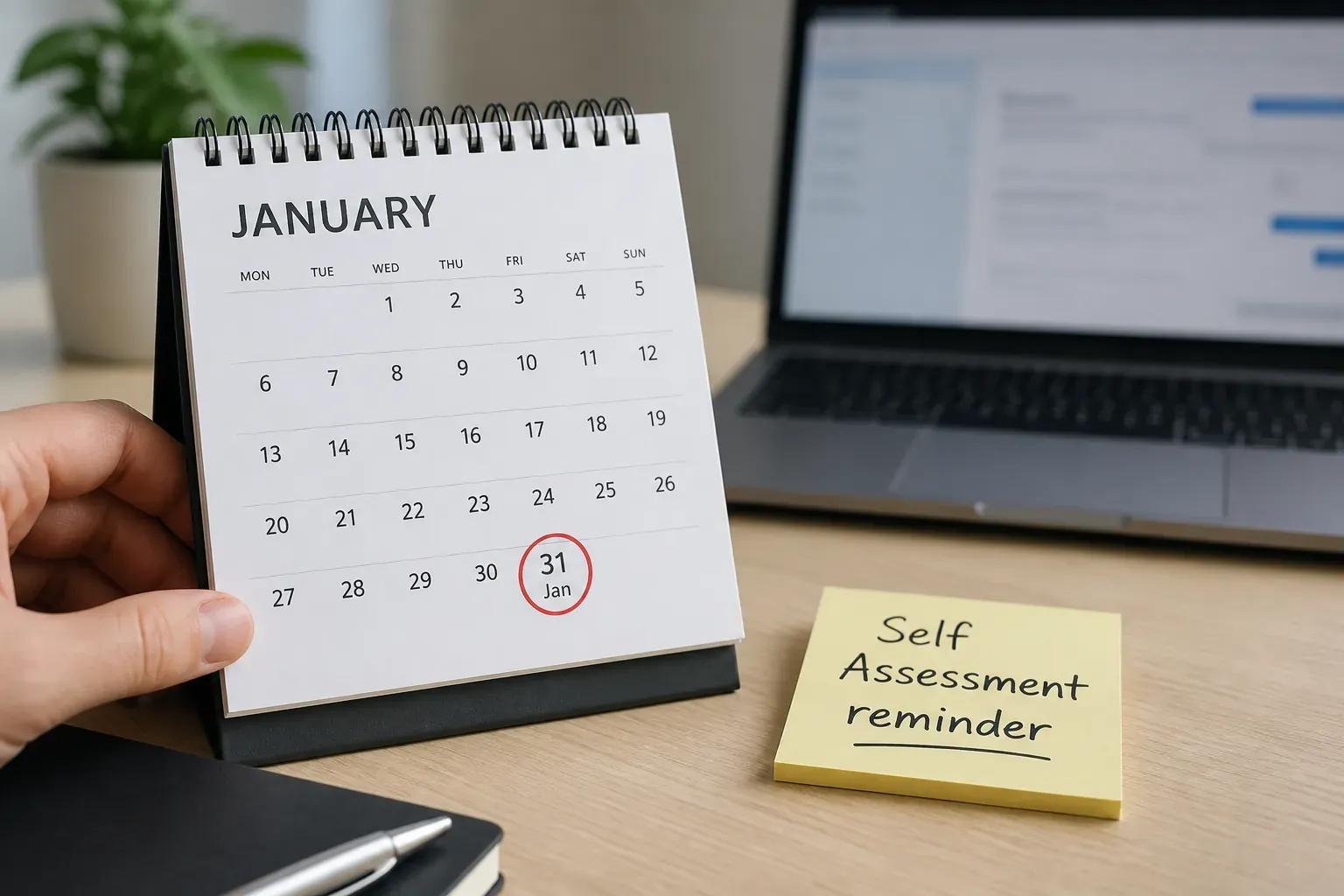
When Is the Self Assessment Deadline?
Key UK Self Assessment dates for registration, paper returns, online returns, tax payments and payments on account.
Self Assessment
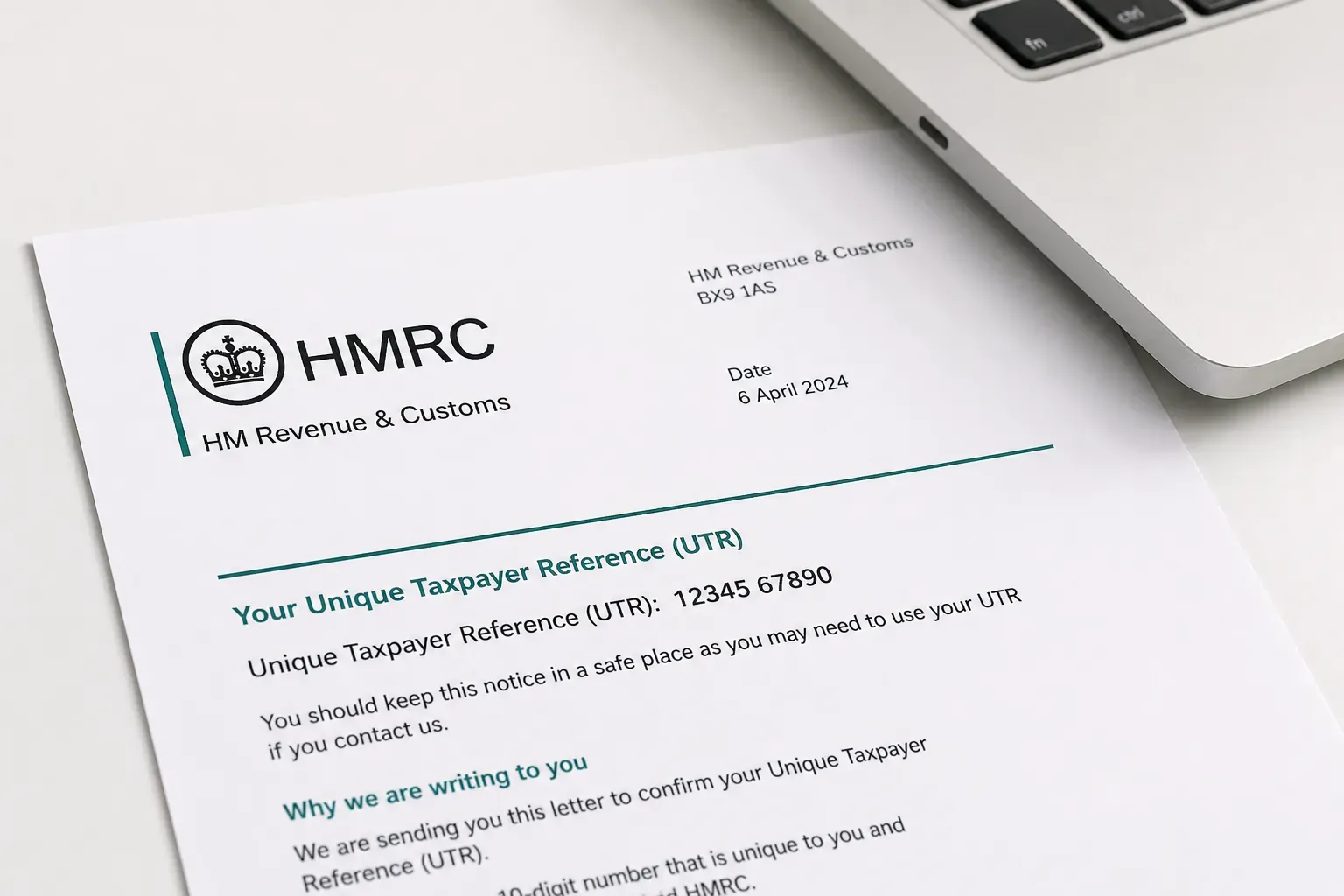
What Is a UTR and How Do You Get One?
A practical guide to Unique Taxpayer References for Self Assessment, limited companies and CIS subcontractors.
Self Assessment
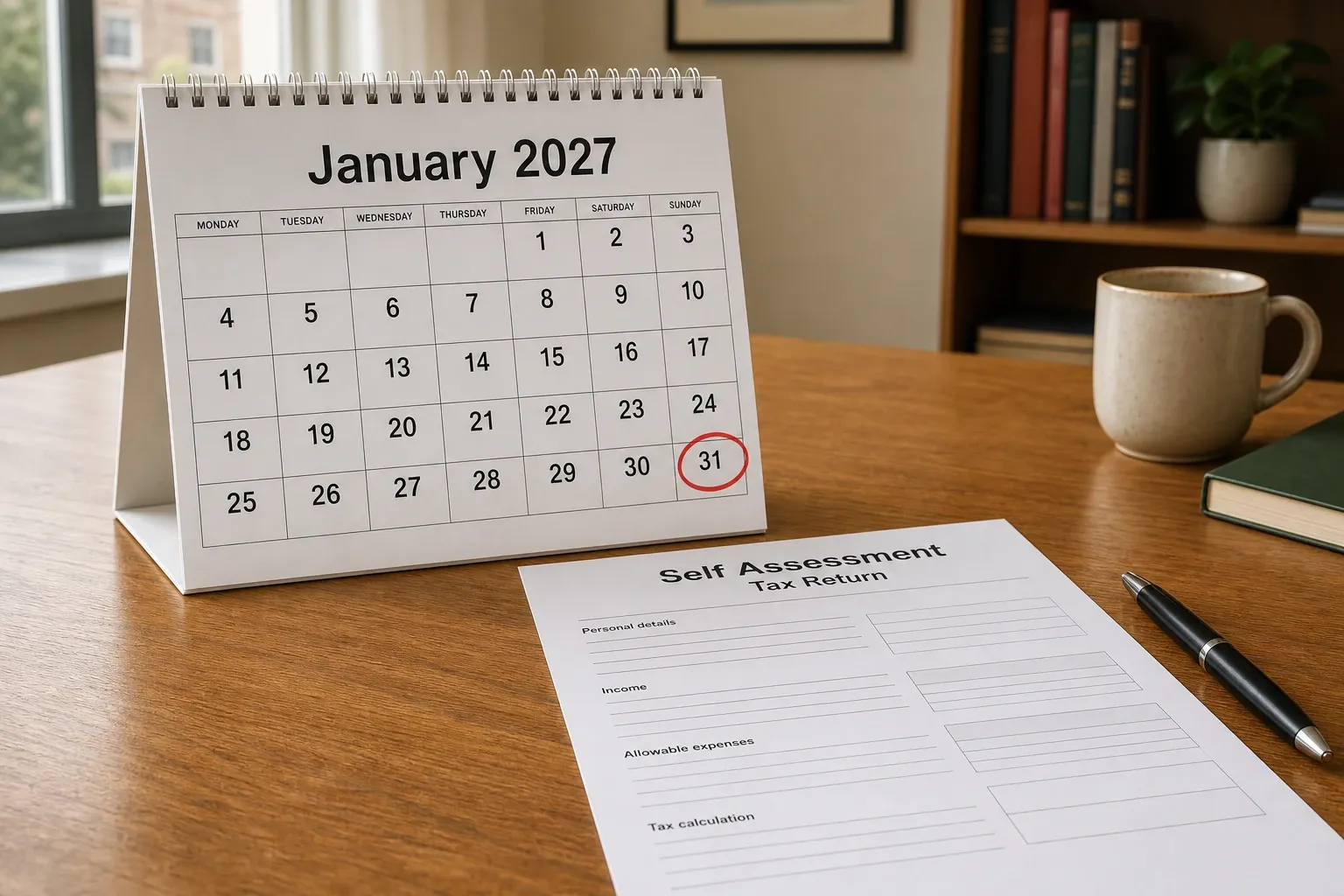
What Is Self Assessment and Who Needs It?
Understand when you may need to file a UK Self Assessment tax return and what information HMRC expects.
Need tailored support?
Talk through your position with Sparks
Bring your questions and records to a free consultation. We will explain the next steps in clear, practical terms.