
How to Change Accountant in the UK
What to expect when moving to a new accountant and how to make the handover smoother.

In brief
You can change accountant in the UK. The new accountant will usually ask for your permission to contact the previous accountant, request professional clearance, obtain handover information and set up HMRC agent authorisation where needed. A smooth change depends on clear records, open deadlines and making sure the old and new accountant both know what has already been filed.
Who this guide is for
This guide is for sole traders, landlords, limited company directors and small business owners who are unhappy with their current accountant or need a different level of support.
When might you change accountant?
Common reasons include:
- slow replies
- missed deadlines
- unclear fees
- lack of tax planning
- limited service scope
- language or communication issues
- moving from sole trader to limited company
- needing VAT, payroll or CIS support
- wanting a more digital process
Changing accountant is normal. The important thing is to manage the transition properly.
What is professional clearance?
Professional clearance is the process where the new accountant contacts the previous accountant before taking over.
The previous accountant may confirm whether there are any professional reasons the new accountant should not act. They may also provide accounts, tax returns, trial balances, computations and other handover information.
This helps the new accountant understand your position.
HMRC agent authorisation
Your accountant may need authorisation to deal with HMRC on your behalf.
HMRC authorisation can cover different taxes, such as Self Assessment, Corporation Tax, VAT or PAYE. The process may be online or through other HMRC routes depending on the tax.
You may also need to remove an old accountant's authorisation.
What information will the new accountant need?
Your new accountant may ask for:
- Companies House authentication code
- UTRs and tax references
- previous accounts
- Company Tax Returns
- Self Assessment returns
- VAT returns
- payroll records
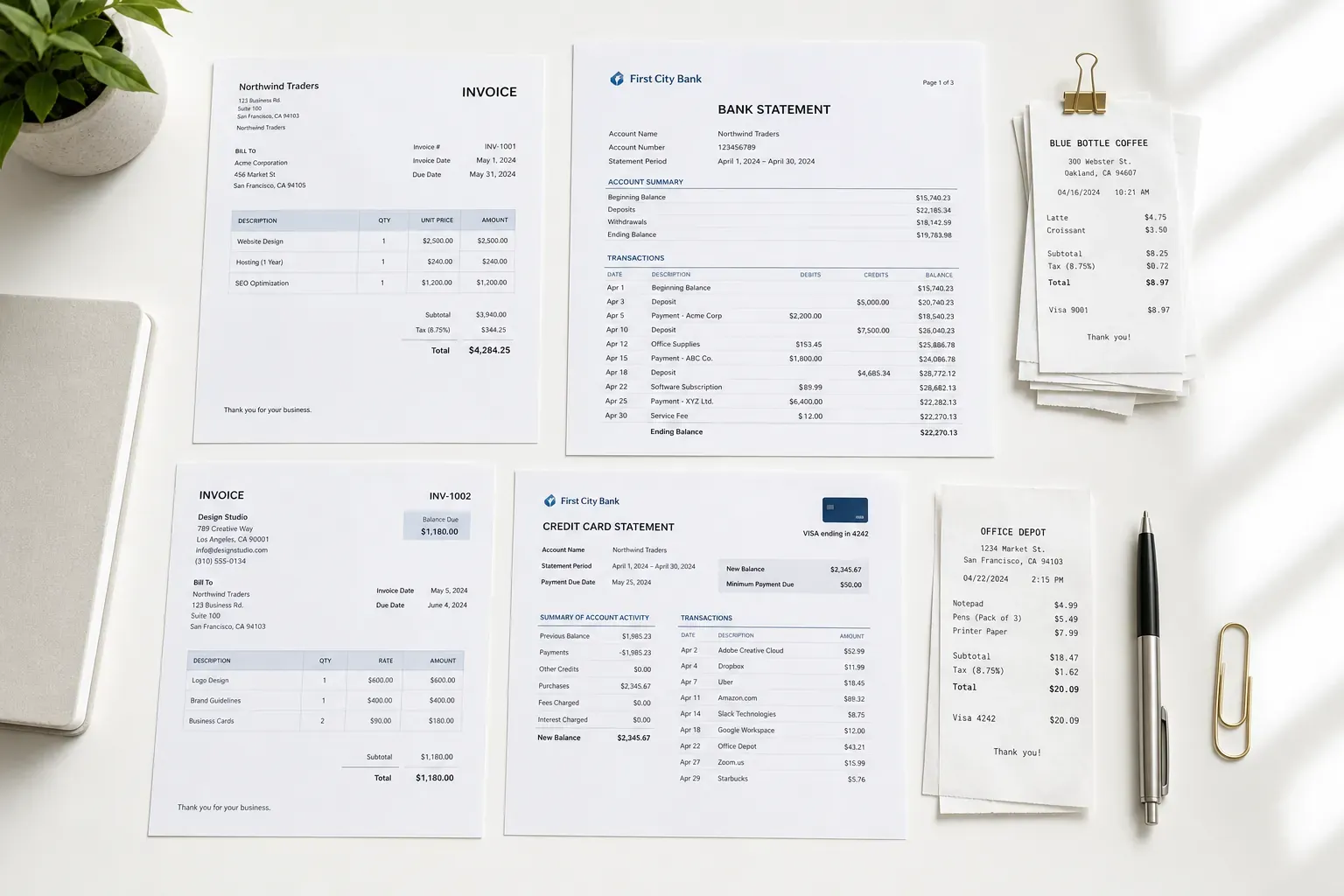
- access to the client’s accounting records
- bank statements
- HMRC letters
- details of upcoming deadlines
The cleaner the handover, the faster the new accountant can help.
Timing matters
Avoid changing accountant at the last minute before a major deadline if possible.
Sometimes it cannot be avoided, especially if there is a problem. But moving early gives the new accountant time to review records, identify missing information and prevent rushed filings.
Common mistakes
A common mistake is assuming the new accountant can instantly access everything. They usually need authorisation, records and handover information.
Another mistake is not checking which returns have already been filed. This can create duplicate work or missed deadlines.
Some businesses also forget to remove old agent authorisations, which can leave access open longer than intended.
What to do next
To change accountant smoothly:
- Confirm why you want to change.
- Check upcoming filing and payment deadlines.
- Choose the new accountant.
- Give permission for professional clearance.
- Provide HMRC and Companies House details.
- Transfer access to accounting records and payroll systems.
- Remove old authorisations where appropriate.
Common questions
Can I change accountant at any time?
Usually, yes. Timing should be managed carefully if deadlines are close.
Does my old accountant have to send records?
The handover process usually involves providing relevant professional information, although outstanding fees or disputes can complicate matters.
Do I need to tell HMRC?
You may need to authorise the new accountant and remove the old agent's authorisation for relevant tax services.
Can Sparks Accounting take over mid-year?
Yes, with the right records and authorisations.
Related guidance
Continue with another useful guide from this topic.
Working with an accountant
What Documents Does Your Accountant Need?
A practical checklist of records to send your accountant for accounts, tax returns, VAT, payroll and HMRC letters.

Working with an accountant
Can Accounting Be Done Fully Online?
How digital records, secure document sharing and online accountant support work for UK small businesses.

Working with an accountant
UK Accounting Support in English and Romanian
How bilingual accounting support can help UK business owners understand HMRC, Companies House and tax deadlines more clearly.

Working with an accountant
How Much Does Small Business Accounting Cost?
What affects accounting fees for sole traders, limited companies, VAT and payroll.
Need tailored support?
Talk through your position with Sparks
Bring your questions and records to a free consultation. We will explain the next steps in clear, practical terms.