
Can Accounting Be Done Fully Online?
How digital records, secure document sharing and online accountant support work for UK small businesses.
In brief
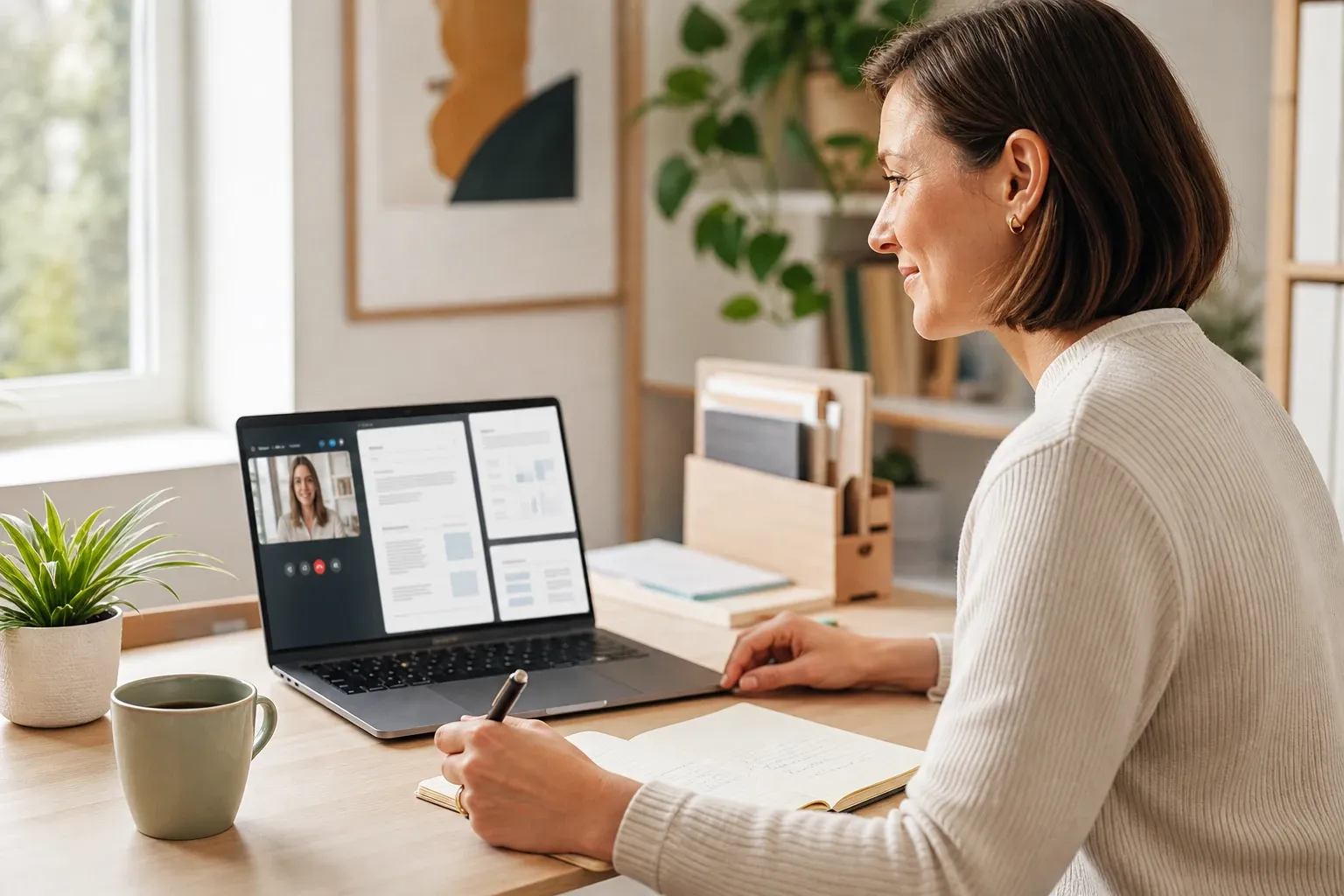
Yes, most small business accounting can be handled fully online if the client keeps records digitally and communication is organised. Online accounting can include secure document sharing, video calls, electronic authorisations, VAT returns, payroll, Self Assessment and limited company accounts. Some situations may still need original documents or extra checks.
Who this guide is for
This guide is for UK business owners who want accounting support without visiting an office.
It is especially useful for remote businesses, busy directors, sole traders, landlords and clients who prefer digital communication.
What online accounting can include
Online accounting can include:
- client-maintained cloud accounting records
- digital receipt capture
- bank feeds
- invoice uploads
- secure portals
- email and video calls
- payroll processing
- VAT returns
- Self Assessment
- company accounts
- HMRC agent authorisation
- Companies House filings
The accountant does not need to sit next to the client to manage most compliance work.
What records need to be digital?
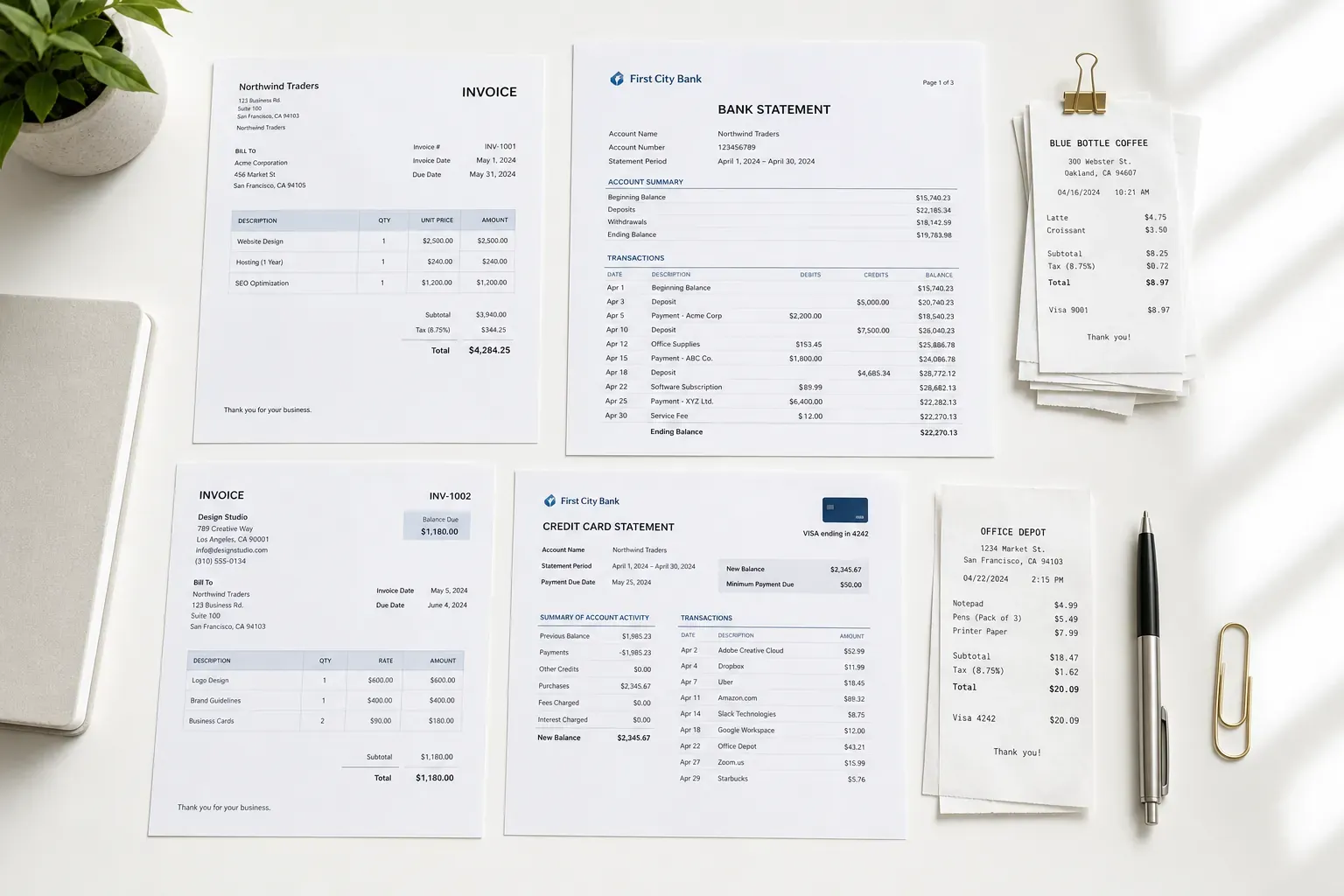
You should be able to provide:
- bank statements
- invoices
- receipts
- payroll records
- VAT records
- HMRC letters
- CIS statements
- contracts or finance agreements
- access to the client’s accounting records
Scans or digital copies should be readable and complete.
Security matters
Accounting records contain sensitive financial and personal information.
Documents should be shared through secure channels where possible. Avoid sending tax references, bank details and identity documents casually through unsafe methods.
Your accountant should explain how documents are shared and stored.
HMRC authorisation online
Accountants often need authorisation to deal with HMRC on your behalf.
Some authorisations can be handled through online services, while others may need different processes. The exact route depends on the tax service.
Benefits of online accounting
Online accounting can be faster and more flexible.
It can reduce paperwork, make records easier for the client to maintain, simplify deadline management and allow clients to work with an accountant even if they are not local.
For many UK small businesses, this is now normal.
Common mistakes
A common mistake is assuming online accounting means the accountant can work without documents. They still need evidence and explanations.
Another mistake is using multiple messaging apps without a clear system, which can cause missing records.
Some clients also delay uploading documents until the deadline, removing the main benefit of digital accounting.
What to do next
To make online accounting work:
- Use a dedicated system or document folder for your financial records.
- Upload receipts and invoices regularly.
- Keep business banking separate where possible.
- Use secure sharing for sensitive data.
- Give your accountant access early.
- Agree communication and deadline routines.
Common questions
Do I need to visit an accountant in person?
Usually not. Most accounting work can be handled online if records are digital and complete.
Can HMRC authorisation be done online?
Often, yes, but the method depends on the tax service.
Is online accounting safe?
It can be, if secure tools and sensible data-sharing practices are used.
Can online accounting work for construction businesses?
Yes, including CIS, but deduction statements and records need to be kept properly.
Related guidance
Continue with another useful guide from this topic.

Working with an accountant
How to Change Accountant in the UK
What to expect when moving to a new accountant and how to make the handover smoother.
Working with an accountant
What Documents Does Your Accountant Need?
A practical checklist of records to send your accountant for accounts, tax returns, VAT, payroll and HMRC letters.

Working with an accountant
UK Accounting Support in English and Romanian
How bilingual accounting support can help UK business owners understand HMRC, Companies House and tax deadlines more clearly.
Working with an accountant
How Much Does Small Business Accounting Cost?
What affects accounting fees for sole traders, limited companies, VAT and payroll.
Need tailored support?
Talk through your position with Sparks
Bring your questions and records to a free consultation. We will explain the next steps in clear, practical terms.