
Accounting Checklist for a New UK Business
The first accounting, tax and record-keeping steps to take when starting a UK business.
In brief
A new UK business should choose the right structure, register with the correct authorities, set up its own financial record system, separate business and personal finances, understand tax deadlines and keep records from day one. Sole traders, limited companies, VAT-registered businesses and employers all have different obligations, so the accounting setup should match how the business will actually operate.
Who this guide is for
This guide is for people starting a UK business, including sole traders, limited company directors, contractors, consultants, landlords and tradespeople.
It is especially useful if this is your first UK business or your first time dealing with HMRC and Companies House.
Choose the right business structure
The first decision is usually whether to trade as a sole trader or through a limited company.
A sole trader setup is simpler, but the business and owner are legally the same person. A limited company is a separate legal entity with more admin, Companies House filings and Corporation Tax obligations.
The right choice depends on risk, profits, clients, growth plans and how much admin you are ready to manage.
Register correctly
Depending on the structure, you may need to:
- register as self-employed
- register a limited company with Companies House
- tell HMRC when a company starts doing business
- register for Corporation Tax
- register for Self Assessment
- register for VAT if required
- register as an employer for PAYE if paying staff or directors
- register for CIS if working in construction
Do not assume one registration covers everything.
Open the right bank account
Limited companies should have a separate company bank account because the company is legally separate from the director.
Sole traders are not legally required in the same way, but a separate business bank account can make financial records much clearer.
Mixing personal and business spending creates extra work and can make tax records harder to defend.
Set up your financial records
Financial records should start from the first transaction.
Your system should record:
- sales
- expenses
- invoices
- receipts
- bank transactions
- VAT where relevant
- payroll where relevant
- mileage or travel where relevant
Cloud accounting software can help, but software only works if it is set up and used consistently.
Understand your first deadlines
New businesses should identify deadlines early.
Limited companies need to track accounts, Corporation Tax, Company Tax Returns and confirmation statements. Sole traders need to track Self Assessment registration and filing dates. VAT-registered businesses need VAT returns. Employers need payroll reporting.
Missing a deadline can lead to penalties and unnecessary stress.
Common mistakes
A common mistake is starting to trade before deciding how records will be kept.
Another mistake is registering a limited company but continuing to treat income as personal money.
Some new businesses also forget to check VAT until sales are already over the threshold.
Finally, many owners wait until the first tax return before speaking to an accountant, which can make early mistakes harder to fix.
What to do next
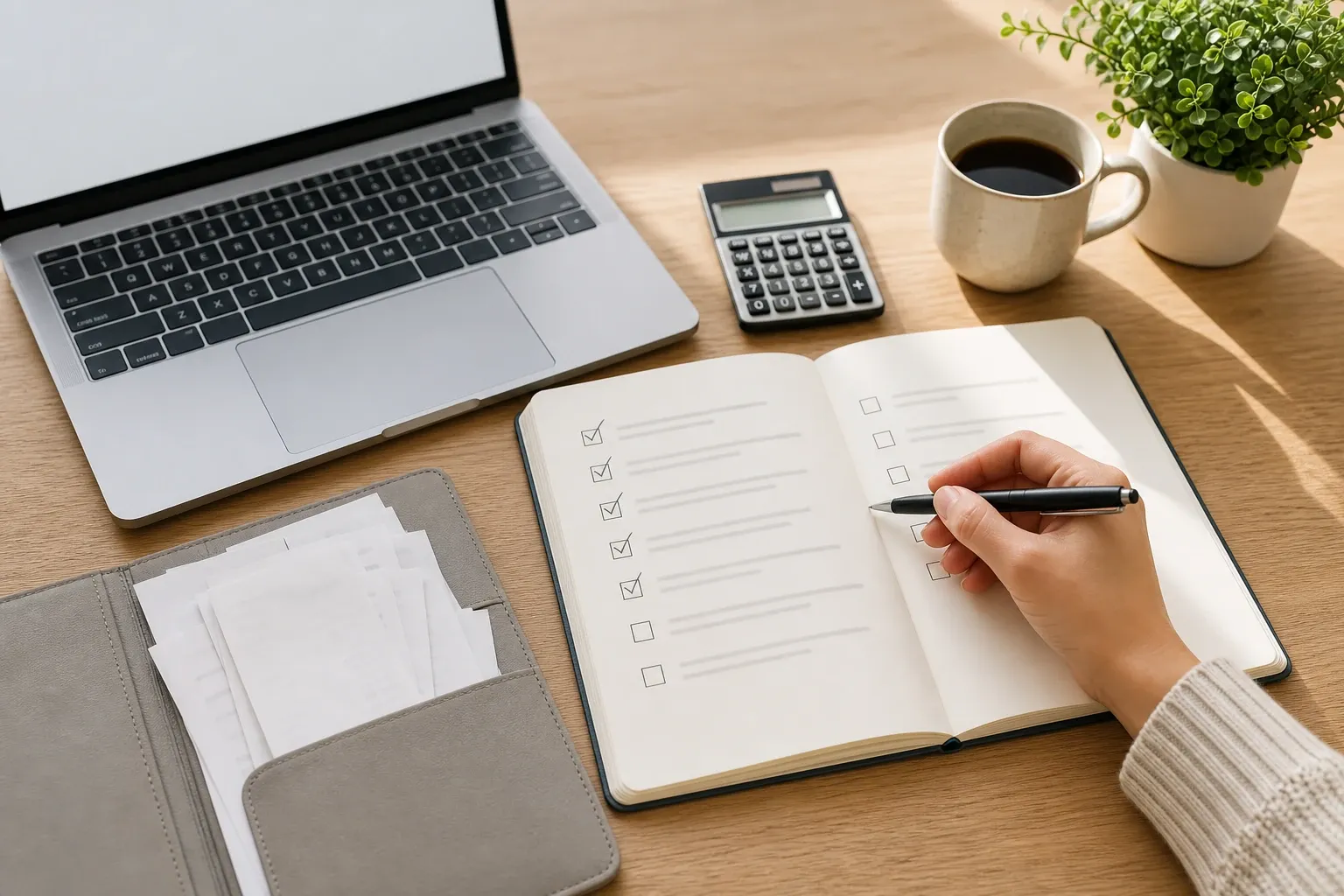
Use this startup checklist:
- Choose the business structure.
- Complete the correct registrations.
- Open a separate business bank account.
- Set up software or another system for your financial records.
- Save invoices and receipts from day one.
- Check VAT, payroll and CIS obligations.
- Create a deadline calendar.
- Speak to an accountant before the first filing deadline.
Common questions
Do I need an accountant before I start trading?
Not always, but early advice can help you choose the right structure and avoid setup mistakes.
Can I start as a sole trader and move to a limited company later?
Yes. Many businesses start as sole traders and incorporate later, but the transition should be planned.
Do all new businesses need VAT?
No. VAT depends on taxable turnover and whether voluntary registration makes sense.
Should I use accounting software from day one?
For many businesses, yes. Digital records make tax preparation much easier.
Need tailored support?
Talk through your position with Sparks
Bring your questions and records to a free consultation. We will explain the next steps in clear, practical terms.