
What Should You Do If You Receive a Letter From HMRC?
A calm, practical checklist for checking, understanding and responding to HMRC letters.

In brief
Do not ignore an HMRC letter. Check that it appears genuine, identify the tax, deadline and action requested, gather the relevant records and respond by the deadline. If you are unsure, verify the contact through GOV.UK or ask an accountant to review it before replying.
Do not panic, but do not ignore it
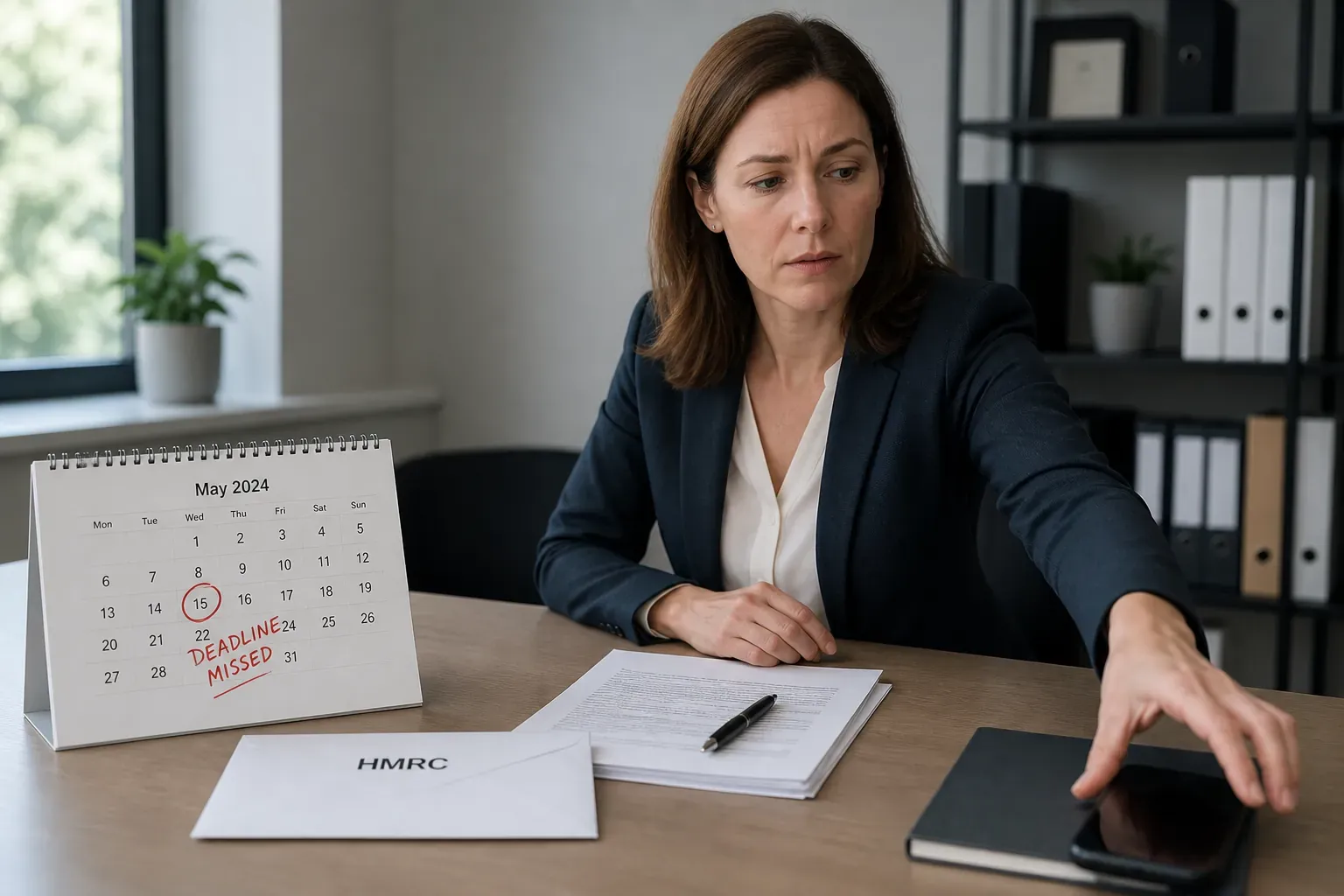
HMRC letters can be stressful, particularly when they mention tax, penalties or missing information. Read the complete letter and note the tax involved, reference number, letter date, response deadline, requested action and any payment or missing return.
Many letters are routine, but a missed deadline can create penalties, interest or further correspondence. Send a copy to your accountant promptly if they act for you.
Check that the letter is genuine
Scams can imitate HMRC. Be cautious if a message creates extreme urgency, asks for payment to unusual bank details, requests sensitive information through an unsafe channel, contains suspicious formatting or tells you not to use normal HMRC contact routes.
Verify uncertain contact using GOV.UK information. Do not rely only on a phone number, QR code or link printed in a suspicious communication, and do not make a payment until the recipient details have been checked.
Identify exactly what HMRC wants
HMRC may be asking for a missing return, payment, records for a compliance check, confirmation of income or expenses, VAT or PAYE evidence, company tax information, CIS details or a response to an assessment or penalty.
Answer the actual request. A broad explanation without the requested documents can delay the case or leave HMRC’s questions unresolved.
Gather the relevant records
- Tax returns and computations.
- Sales invoices, purchase invoices and receipts.
- Bank statements and transaction reports.
- VAT records and payroll reports.
- CIS deduction statements.
- Company accounts and dividend records.
- Rental income and expense records.
- Previous correspondence with HMRC.
Keep a complete copy of the letter, your response and every attachment. Record when and how the response was sent.
When to contact HMRC
Contact HMRC through an official route if you do not understand the letter, believe it is wrong, need additional time, cannot pay by the deadline, find that your records do not match HMRC’s information or suspect fraud.
If payment is due and you cannot pay in full, seek advice early. Depending on the circumstances, HMRC may discuss a Time to Pay arrangement, but it should not be assumed or left until enforcement begins.
When professional help is sensible
Ask an accountant or appropriate adviser to review letters involving a tax investigation, compliance check, substantial penalties, missing returns, VAT, Corporation Tax, CIS deductions or records you are unsure how to explain.
An authorised accountant can help identify the request, organise evidence and prepare a clear response. They will still need complete and accurate information from you.
What not to do
- Do not ignore the letter or hide it until the deadline.
- Do not pay bank details that have not been verified.
- Do not reply emotionally or aggressively.
- Do not guess figures when records can be checked.
- Do not send sensitive documents through an unsafe channel.
- Do not assume HMRC is wrong without reconciling the evidence.
HMRC scams and phishing
Fraudulent contact can arrive by email, text, phone, social media or letter. Scammers often use refunds, threats or urgent deadlines to trigger a quick reaction. Stop, verify the contact through official guidance and report suspicious messages using the GOV.UK reporting routes.
Five-step action plan
- Read the full letter and note every deadline.
- Verify that the contact appears genuine.
- Identify the exact tax, period and request.
- Gather the evidence or ask your accountant to review it.
- Respond by the deadline, or contact HMRC early if more time or payment support is needed.
Common questions
Should I ignore an HMRC letter if I think it is wrong?
No. Check the records and respond, contact HMRC through an official route or ask an authorised accountant to deal with it.
How do I know if an HMRC letter is genuine?
Compare it with official GOV.UK guidance and independently obtain HMRC contact details if anything appears suspicious.
Can an accountant reply to HMRC for me?
Yes, when properly authorised. The accountant can review the request, organise evidence and help prepare the response.
What if I cannot pay the amount requested?
Do not ignore it. Contact HMRC or seek advice early. A payment arrangement may be possible depending on the circumstances.
Related guidance
Continue with another useful guide from this topic.

HMRC & compliance
Can You Pay HMRC Tax in Instalments?
Understand HMRC payment plans, Time to Pay arrangements and what to do if you cannot pay your tax bill on time.

HMRC & compliance
Can You Reduce or Appeal HMRC Penalties?
What to do if you receive a penalty for late filing, late payment or another tax issue.
HMRC & compliance
What Happens If You File Tax Returns or Company Accounts Late?
Understand late filing penalties, interest, HMRC letters and what to do if a deadline has already passed.
Need tailored support?
Talk through your position with Sparks
Bring your questions and records to a free consultation. We will explain the next steps in clear, practical terms.